|
|
Home Select
The Sunday
Notebook
No. 12 · Sunday 9 August 2026
|
||||||||||
|
||||||||||
|
01 · The editorial
Every year, in mid-July, the same refrain returns. Paris drifts off, the market grinds to a halt, nothing happens before September. Home Select has been hearing this line for fifteen years, and correcting it for fifteen years. August is not a dead month. It is a lopsided one. The reasoning deserves to be turned on its head. Rather than watching the buyers thin out, it pays to look at those left facing them: the sellers. Who puts a flat on the market on 4 August? Rarely out of comfort. Almost always out of necessity. That asymmetry opens a narrow window, provided one has prepared for it. This week's notebook is devoted to that inverted reading of the Paris summer. Not to promise a windfall, there is none. But to show where the balance of power shifts between buyer and seller in August, and what a prepared acquirer can draw from it. |
||||||||||
|
||||||||||
|
|
||||||||||
|
02 · Article of the week
The Paris summer read backwards: who really sells in August
Market · Analysis · 4 min read
|
||||||||||
|
||||||||||
|
||||||||||
|
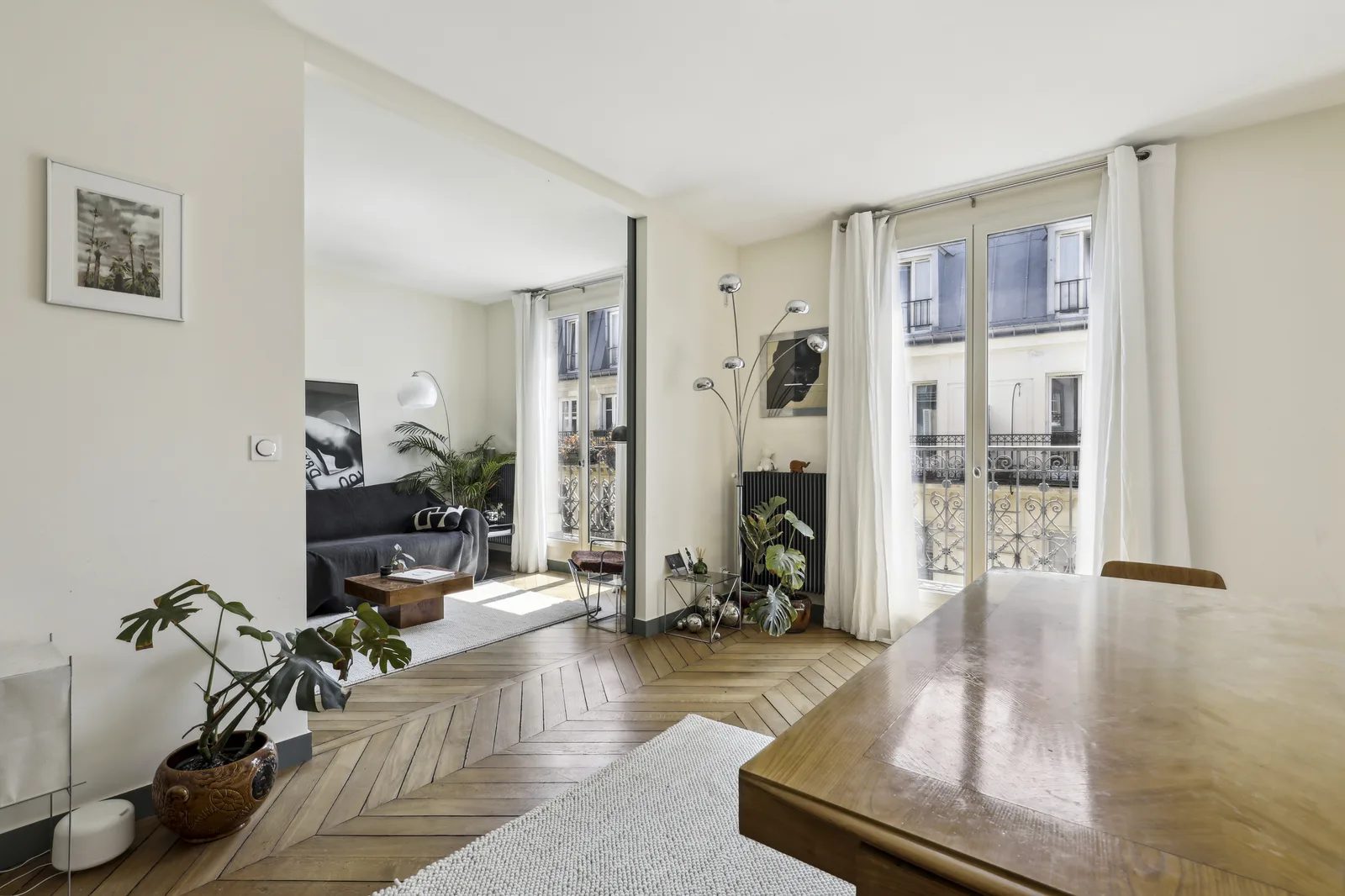
It is said every year that Paris comes to a standstill in August. The reality is more interesting. The city does not stop, it empties of half its buyers while a residue of constrained sellers remains. That is where the room for action lies. The Paris market, like the rest of the country, follows a pronounced seasonality. Most transactions are closed in the second quarter, between April and June, when buyers and sellers are simultaneously active. July and August see activity slow: the sales completed over the summer generally correspond to preliminary contracts signed in the spring. That does not mean nothing is signed in August. It means the rhythm changes, and with it the mix of actors on the field. So who sells in August? Rarely sellers by choice. A professional relocation with a fixed date, and a new post starting in September. An estate to be wound up before the autumn tax deadlines. A separation in progress, from which each party wants to exit before autumn. A property put on the market in April, unsold in the spring, whose listing has grown stale. What these profiles have in common can be reduced to a single sentence: the August seller does not enjoy the luxury of waiting until September. That calendar constraint shifts the balance of power. In Paris, the average negotiation margin stood at around 3.8% in the first quarter of 2026, according to the Observatoire Interkab as reported by MySweetimmo, a contained level pointing to a market in which the seller retains the upper hand. On summer files marked by an identifiable urgency, that margin can widen appreciably. The asking price does not necessarily move in the listings, but the discussion opens more quickly, counter-offers are examined more seriously, response times tighten. Identifying such files is another matter. Several signals can be read. The age of the listing, first: a property advertised for several weeks without a retained offer signals a possible margin, to be weighed against a median selling time in Paris of around 66 days, per the SeLoger-MeilleursAgents barometer published in July 2026. Successive price cuts, next, which betray a seller recalibrating expectations. The wording of the description, at times, in which a hint of urgency can be sensed. The availability of the seller, finally: the one who replies within the hour and agrees to a viewing the following morning is not doing so without reason. The counterweight must be stated. The August market is not homogeneous, and this reading does not apply to everything. Rare properties, those that always find a buyer regardless of the season, escape this logic. A top floor with a lift and a view can trade at up to 20% more than a first floor overlooking the courtyard in the same building: for these exceptional products, summer changes nothing about the balance of power. Trocadéro, the Île Saint-Louis, certain streets in the 6th or the 7th arrondissement remain at price, even on 15 August. Two parameters complete the picture of the window. Rates, first: Pretto reports in August 2026 benchmarks at 3.33% over 15 years, 3.44% over 20 years and 3.52% over 25 years, with the Île-de-France remaining the region where the strongest profiles obtain the most favourable terms, down to 3.10% over 25 years. The 10-year OAT crossed 4% in July, which could push banks to adjust their scales in September. Signing in August with a bank offer already secured in July may therefore prove more advantageous than waiting. The upward revision of the usury cap to 5.29% on loans of 20 years and above, on 1 July, unlocks in parallel certain files that had been stalling against the ceiling. None of this, however, benefits the improvised buyer. August rewards preparation, not opportunism. Financing secured, criteria settled, an adviser reachable during the week of 15 August: these three conditions make the difference between reading the summer as a slack month, and reading it as a moment when the balance of power shifts in your favour, on the right files. |
||||||||||
|
Mortgage benchmarks in Paris in August 2026
|
||||||||||
|
||||||||||
|
||||||||||
|
||||||||||
|
||||||||||
|
03 · Buyer's advice
Reading the age of a listingOn the main portals, the date a listing was published is not always displayed plainly, but it can be found. A listing that exceeds the Paris median, around 66 days in July 2026, deserves close attention: successive price cuts, wording that has been revised, unusual availability of the seller. Cross-read, these signals sketch the real room for discussion. |
||||||||||
|
||||||||||
|
||||||||||
|
See you next Sunday.
In the meantime, if a project is taking shape, Home Select remains at your disposal for an initial conversation: its hunters assess your brief against the market and deliver an unvarnished reading.
|

|
Home Select
Property hunters since 2011
|
|||||
|
|||||
|
60 rue François 1er, 75008 Paris · 01 78 76 78 10 Member of the Federation of Property Hunters (FCI) |
|||||
|
|
|||||
|
You are receiving this email because you shared your contact details with Home Select as part of a property project or an information request. Under the General Data Protection Regulation (GDPR), you have rights of access, rectification, erasure, objection, portability and restriction over the data concerning you. To exercise these rights, write to contact@homeselect.paris.
Data controller: Jean Mascla, Home Select, 60 rue François 1er, 75008 Paris. Your data is kept for three years after our last contact, then deleted. In case of disagreement, you may lodge a complaint with the CNIL (www.cnil.fr). |
|||||
|
© 2026 Home Select. All rights reserved.
|