|
|
Home Select
The Sunday
Notebook
No. 16 · Sunday 6 September 2026
|
||||||||||||||||||
|
||||||||||||||||||
|
01 · The editorial
Two figures are doing the rounds this week: Paris prices are up 1% year on year, and the average mortgage rate stands at 3.30%. Read quickly, they sketch a market that has caught its breath. Read closely, they mostly reveal an average that no longer tells you anything about the flat you are viewing on Saturday. Since September, Home Select's hunters have been observing a market that sorts. On one side, bright, refurbished, well-rated flats going under offer within three weeks. On the other, flats needing work, upper floors without a lift, fragile co-ownerships, where negotiation is once again a lever. No longer two trends: two markets. Home Select refuses the binary narrative that would have it either "falling" or "rebounding". The autumn of 2026 offers something else, more useful: a market that has become legible, provided you know what you are looking at. This Sunday, the notebook sets out the concrete markers, alongside two parameters an acquirer can no longer ignore at signing: Paris transfer duties and the DPE reform that came into force in January. This is not the moment to wait. It is the moment to choose with method. |
||||||||||||||||||
|
||||||||||||||||||
|
|
||||||||||||||||||
|
02 · Article of the week
Autumn 2026: the average lies, the Paris market sorts
Market · Analysis · 5 min read
|
||||||||||||||||||
|
||||||||||||||||||
|
||||||||||||||||||
|
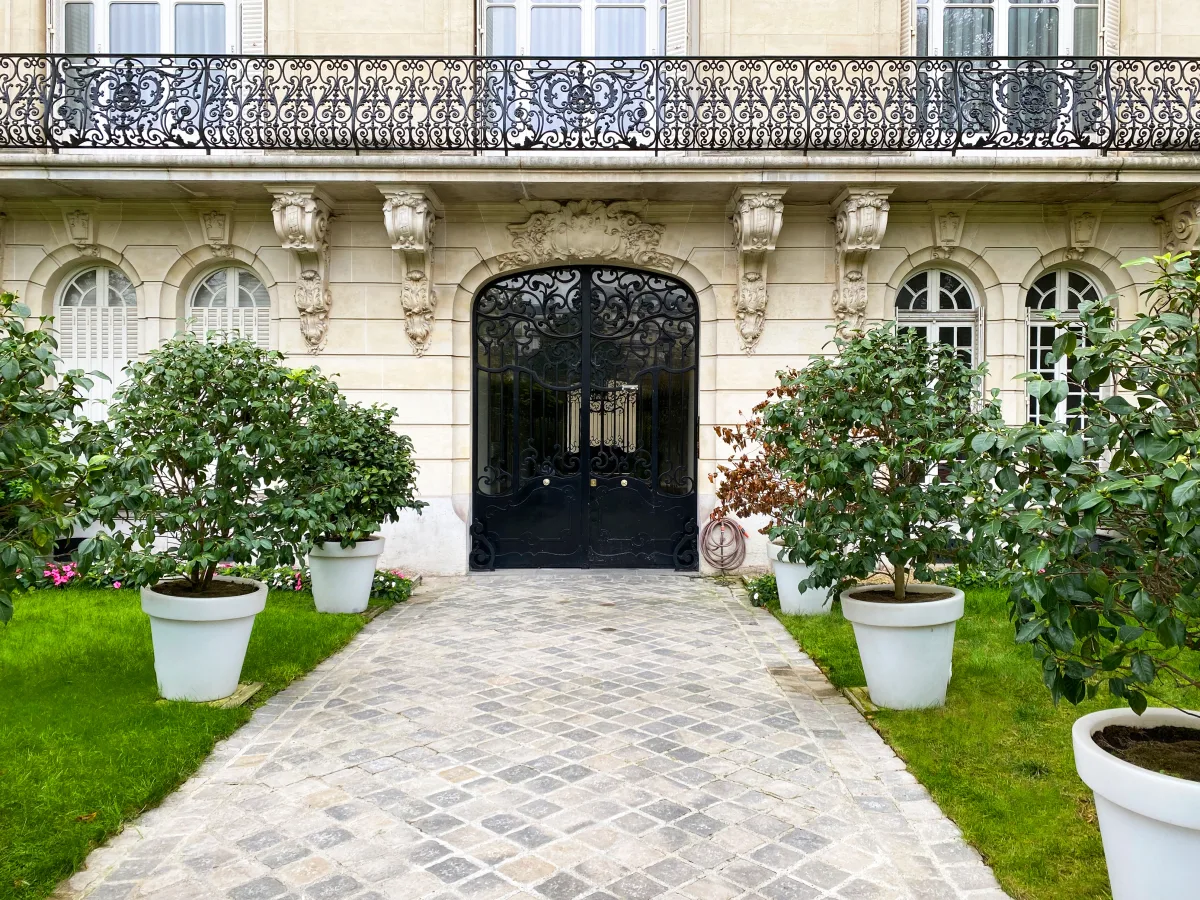
One per cent up over a year, a mortgage rate of 3.30%: the official autumn figures sketch a Paris market that would appear to have found its balance. On the ground, two markets now coexist beneath the same average. Here is how to read them. Start with the markers. The Notaires du Grand Paris place the price of Paris flats at €9,580/m² at end-February 2026, up 0.9% on the year. MeilleursAgents estimates the average at €9,657/m² on 1 August, within a range that runs from €6,488 to €16,195/m² depending on the street. On the credit side, the Observatoire Crédit Logement measured an average rate of 3.30% in July, following a gradual climb since April. These three figures tell the same story: the market is neither collapsing nor taking off. It is being read differently. Consider two examples typical of this autumn, as Home Select's hunters encounter them. A newly refurbished three-room flat in Batignolles, rated D, lift, fourth floor with no overlooking building: three weeks between listing and preliminary contract, two offers at the asking price. Four kilometres away on the Left Bank, a four-room flat in Odéon requiring works, rated F, sixth floor with no lift, façade renovation voted through in co-ownership: six months on the market, two successive price cuts, an acquirer who negotiated significantly. Same quarter, same city, two markets. The Notaires de France confirm this reading in their July market note: "the French still have property projects, but acquirers are taking more time to complete them and are negotiating." This apparently unremarkable sentence marks a rupture. The Île-de-France market remains, according to the Chambre des Notaires de Paris, "uneven", carried by primary residences, while purchases intended for letting have withdrawn from transactions. The sorting under way is therefore no press release effect: it reflects the mechanics of a demand that has become selective. Two new parameters now weigh at signing. The first concerns transfer duties. Since April 2025, Paris has applied a total DMTO of 6.32% of the purchase price, up from 5.81% previously. First-time buyers purchasing their primary residence, however, escape this increase and remain at 5.81%, on conditions verified by the notaire: not to have owned their primary residence for at least two years, and to undertake to occupy the property for five years. On a €700,000 purchase, the gap represents around €3,600. Worth checking before signing the compromis. The second parameter is energy-related. The order of 13 August 2025 lowered the electricity conversion coefficient from 2.3 to 1.9 for all DPE (energy rating) certificates issued from 1 January 2026 onwards. Measurable result: around 850,000 electrically heated dwellings mechanically leave the F and G classes, without any works. For an acquirer, this means two things. First, insist on a DPE issued after 1 January 2026 and refuse an earlier certificate that no longer reflects the regulatory reality. Second, do not overpay for a rating obtained by mere recalculation. The Relance Logement bill, passed in the Sénat on 8 July and forwarded to the Assemblée on 9 July, may yet amend the timetable of rental bans: the matter remains fluid. What, in concrete terms, is worth remembering for a project in autumn 2026? The criteria that separate the two markets can be identified even before the first viewing: light and orientation, energy rating and DPE date, presence of a lift beyond the third floor, condition of the common areas and works voted in general meeting, layout of the rooms. A flat that ticks these boxes trades at the asking price, sometimes above. A flat that misses several negotiates, seriously. The market no longer rewards the average: it rewards legibility. The 2026 acquirer will gain little from waiting for an outright reversal or betting on a general fall. The late-August barometer states it plainly: "the gaps between refurbished and energy-hungry homes are set to remain very marked." What they can do, however, is sort upstream with method, discard properties that will cost a great deal to bring up to standard, and concentrate their time on those that will cross the decade without unpleasant surprises. This is precisely the market Home Select hunts every day. |
||||||||||||||||||
|
Two properties, two markets in autumn 2026
|
||||||||||||||||||
|
||||||||||||||||||
|
||||||||||||||||||
|
||||||||||||||||||
|
||||||||||||||||||
|
03 · Buyer's advice
Insist on a DPE issued after 1 January 2026An earlier certificate applies the old electricity coefficient and may class as F or G a property that now comes out as E. Conversely, do not overpay for a rating obtained by mere recalculation: ask the vendor for the actual energy bills of the past twelve months. |
||||||||||||||||||
|
||||||||||||||||||
|
||||||||||||||||||
|
See you next Sunday.
In the meantime, if a project is taking shape, Home Select remains at your disposal for an initial conversation: its hunters assess your brief against the market and deliver an unvarnished reading.
|

|
Home Select
Property hunters since 2011
|
|||||
|
|||||
|
60 rue François 1er, 75008 Paris · 01 78 76 78 10 Member of the Federation of Property Hunters (FCI) |
|||||
|
|
|||||
|
You are receiving this email because you shared your contact details with Home Select as part of a property project or an information request. Under the General Data Protection Regulation (GDPR), you have rights of access, rectification, erasure, objection, portability and restriction over the data concerning you. To exercise these rights, write to contact@homeselect.paris.
Data controller: Jean Mascla, Home Select, 60 rue François 1er, 75008 Paris. Your data is kept for three years after our last contact, then deleted. In case of disagreement, you may lodge a complaint with the CNIL (www.cnil.fr). |
|||||
|
© 2026 Home Select. All rights reserved.
|