

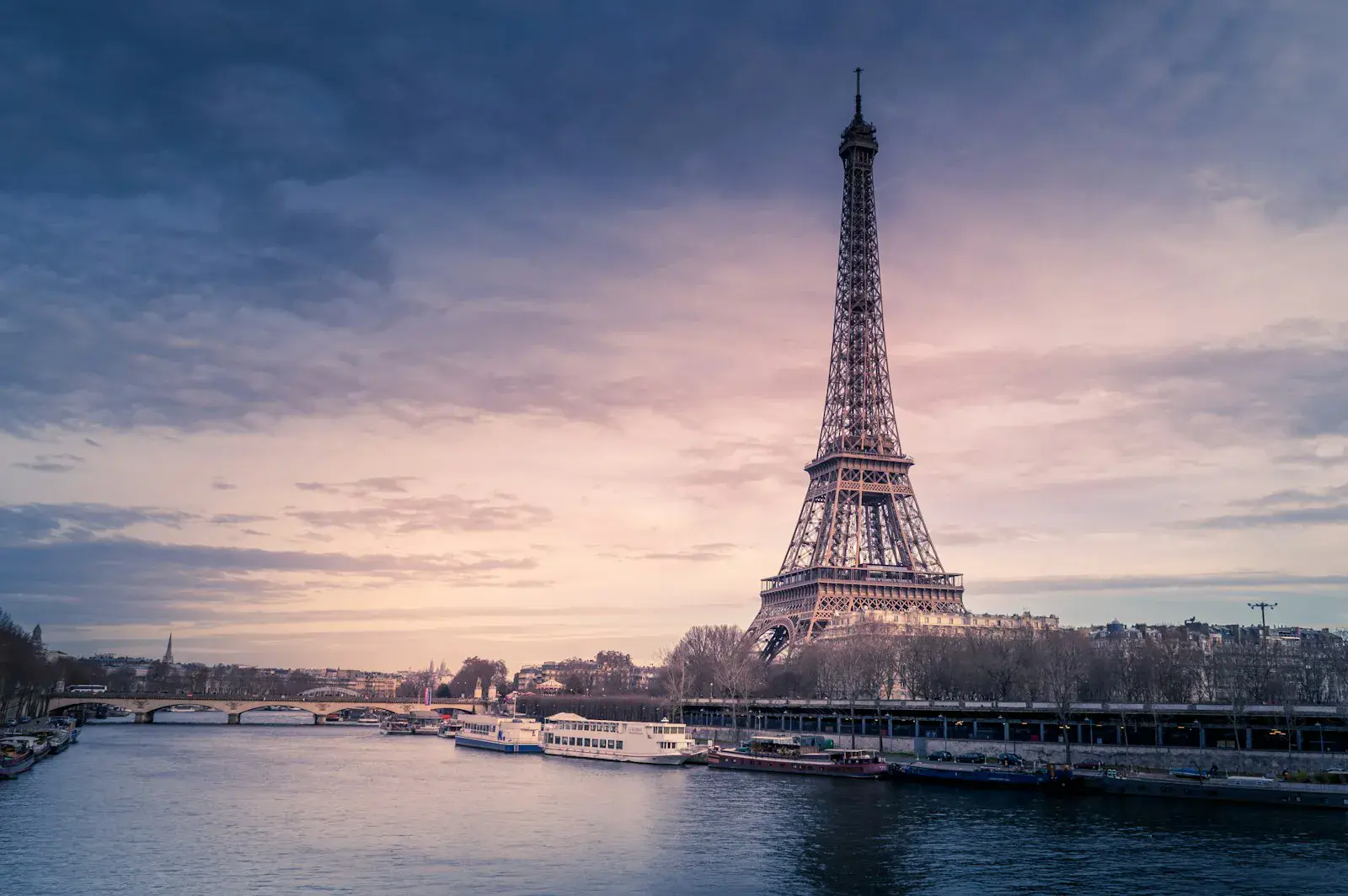
Paris has inspired more poets than any other city in the world. From Villon to Prevert, from Baudelaire to Apollinaire, the capital is simultaneously subject, setting and character in French poetry. The places that nourished this inspiration still exist, and some have barely changed.
The poets of Paris
Baudelaire: the flaneur of Haussmann’s Paris
Charles Baudelaire lived through Paris’s transformation under Haussmann. His poems capture a city in flux: old neighbourhoods disappearing, new boulevards emerging, the anonymous crowds of the grand avenues. In Le Cygne, he writes about nostalgia for a Paris that no longer exists, a theme that remains strikingly relevant today. Baudelaire lived in the 6th arrondissement, at the Hotel Pimodan on the Ile Saint-Louis, and at several addresses in the Quartier Latin.
Apollinaire: the poet of the Pont Mirabeau
Guillaume Apollinaire renewed French poetry at the beginning of the 20th century. His poem Le Pont Mirabeau, written in 1912, is one of the most famous texts in the French language. The Pont Mirabeau, which connects the 15th to the 16th arrondissement, has become a literary pilgrimage site. Apollinaire lived on boulevard Saint-Germain and frequented the cafes of Montparnasse.
Prevert: the everyday Paris
Jacques Prevert sang of a quotidian, accessible, tender Paris. Les Feuilles mortes, Barbara, Le Jardin: his poems evoke the streets, the cafes, the public gardens of a neighbourhood Paris. Prevert lived in Montmartre, in the 18th arrondissement, and his writings reflect the village atmosphere of the Butte.
Verlaine and Rimbaud: the cursed poets
Paul Verlaine and Arthur Rimbaud lived out their tumultuous relationship in the Paris of the 1870s. The Quartier Latin, the cafes of boulevard Saint-Michel and the hotels of the Rive Gauche are the backdrops to this literary history. Verlaine lived on rue Descartes, in the 5th arrondissement, a street that retains its student and bohemian character to this day.
The literary places of Paris
Shakespeare and Company, 37 rue de la Bucherie, 5th
This English-language bookshop, facing Notre-Dame, is a legendary literary site. Founded in 1951 by George Whitman, it carries on the spirit of the original Shakespeare and Company run by Sylvia Beach (rue de l’Odeon), which published James Joyce’s Ulysses in 1922. The bookshop hosts writers in residence and organises readings every week.
The cafes of Saint-Germain-des-Pres
Les Deux Magots (place Saint-Germain-des-Pres) and the Cafe de Flore (172 boulevard Saint-Germain) served as headquarters for existentialism. Sartre, Beauvoir and Camus wrote and held court there. Today more tourist-oriented, these cafes preserve their period decor. The price of a coffee is high, but you are also paying for history.
Le Procope, rue de l’Ancienne-Comedie, founded in 1686, is the oldest cafe in Paris. Voltaire, Diderot and Benjamin Franklin each had their regular tables. It is now a restaurant, but the historic decor remains intact.
La Closerie des Lilas, 171 boulevard du Montparnasse, 6th
This cafe-restaurant was Ernest Hemingway’s regular haunt, where he wrote part of A Moveable Feast. Brass plaques on the tables indicate where Hemingway, Picasso and Man Ray sat. The Montparnasse neighbourhood was the heart of Parisian artistic life in the interwar period.
Maison de Victor Hugo, 6 place des Vosges, 4th
Victor Hugo lived on the second floor of number 6, place des Vosges from 1832 to 1848. His apartment is now a free museum displaying manuscripts, drawings and furniture designed by the writer. Place des Vosges, the oldest square in Paris (1612), is one of the most well-preserved architectural ensembles in the capital.
The bouquinistes along the Seine
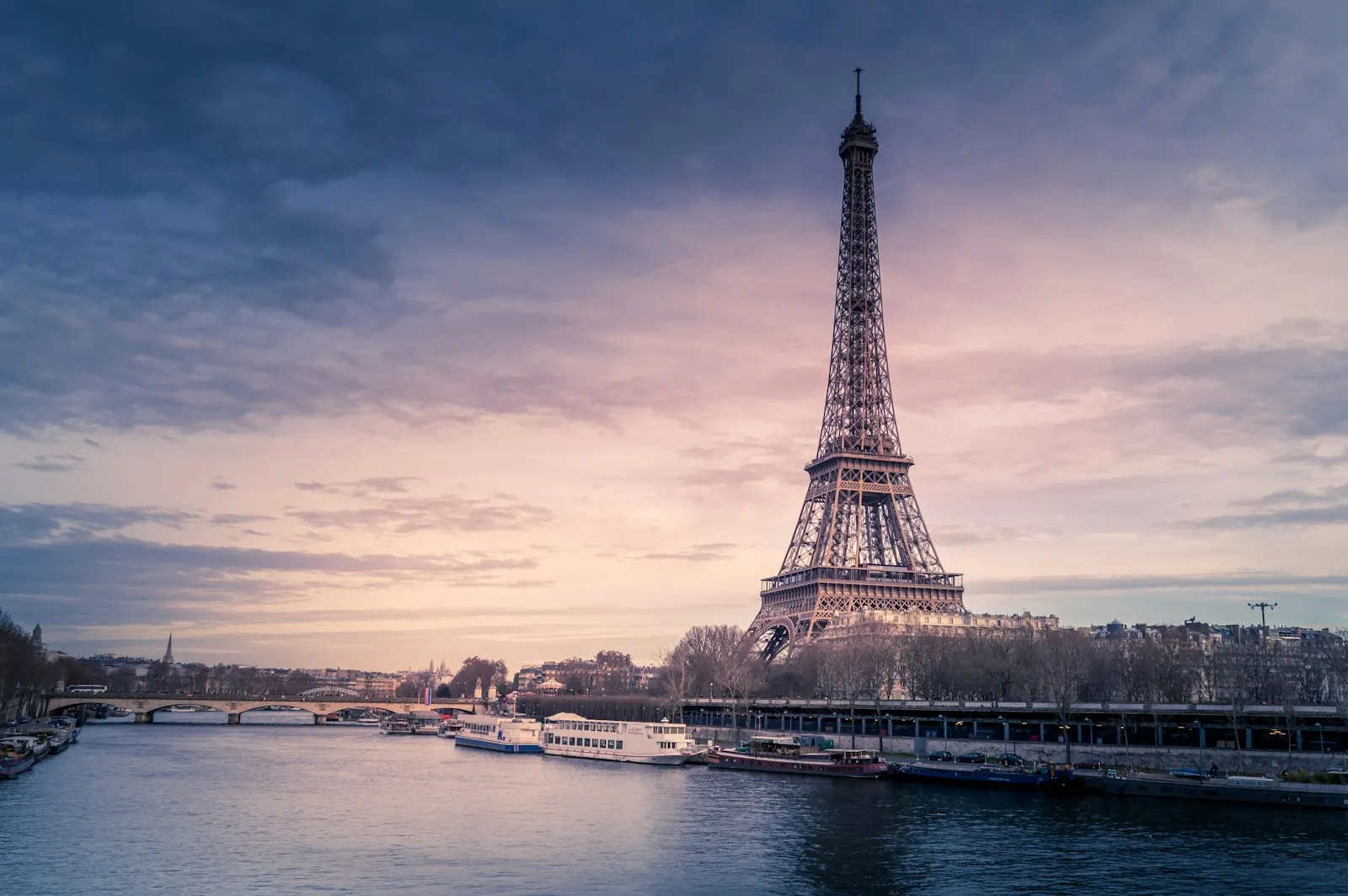
The 250 bouquinistes lining the Seine quays between the Pont Marie and the Quai Voltaire form the largest open-air bookshop in the world. Listed as a UNESCO World Heritage site, these green wooden stalls offer antique books, prints and posters. They have been part of the Parisian landscape since the 16th century.
Living in literary Paris
The neighbourhoods that nourished Parisian poetry and literature are also among the most sought-after in the property market: Saint-Germain-des-Pres (6th), the Quartier Latin (5th), the Marais (3rd-4th), Montmartre (18th). Their charm lies in the preservation of an old urban fabric, independent bookshops, historic cafes and an authentic neighbourhood life.
For a buyer sensitive to this cultural dimension, a property hunter can identify addresses that combine literary heritage and residential quality of life.
Looking for an apartment in a neighbourhood steeped in history and literature? Contact our team.
Frequently asked questions
Which poet is most associated with Paris?
Charles Baudelaire, with Les Fleurs du mal (1857) and Le Spleen de Paris (1869), is the poet most intimately linked to the city. He invented the figure of the Parisian flaneur and described a Paris undergoing Haussmann's transformation. Guillaume Apollinaire, with Zone (1913) and Le Pont Mirabeau, is the other great poet of Paris.
What are the historic literary cafes of Paris?
Les Deux Magots and the Cafe de Flore (boulevard Saint-Germain, 6th) are the most famous, frequented by Sartre, Beauvoir and Camus. Le Procope (rue de l'Ancienne-Comedie, 6th), founded in 1686, is the oldest cafe in Paris. La Closerie des Lilas (boulevard du Montparnasse) was Hemingway's headquarters.
Can you visit the places of Parisian literary life?
Yes. The Shakespeare and Company bookshop (5th), the Maison de Victor Hugo (place des Vosges, 4th), the Musee de la Vie Romantique (9th) and the historic cafes of Saint-Germain are all accessible. Literary walking tours are organised by the City of Paris and specialised associations.