In brief
Each year, around 100,000 people move to Paris, drawn by a cultural offering of 130 museums, 200 performance venues and 450 cinemas. 95% of Parisians live within 500 metres of a metro station, and the Grand Paris Express adds 200 km of automated lines and 68 stations by 2030. In 2026, the average price is around 11,100 euros/m2, a market that Home Select buying agents help optimise by identifying opportunities before they are widely circulated.
Key takeaways
- Paris has 130 museums, 200 performance venues and 450 cinemas, with most municipal museums free of charge
- 95% of Parisians live within 500 metres of a metro station across 16 metro lines
- The average property price in Paris is around 11,100 euros per square metre in 2026
- Ile-de-France concentrates 30% of French GDP and the majority of CAC 40 headquarters
- Paris has 500 parks and gardens, including the 995-hectare Bois de Vincennes
- Home Select, a property hunter in Paris since 2011, covers the 20 arrondissements and 68 Ile-de-France municipalities with 16 hunters.
Every year, around 100,000 people move to Paris. Despite high prices and reduced living spaces, the capital continues to attract for reasons that go well beyond the myth. Here is what, in practical terms, makes Paris a city people choose to live in.
What is there to do in Paris in terms of culture?
Paris has 130 museums, 200 performance venues, 450 cinemas and several thousand art galleries. The Louvre, Orsay, the Centre Pompidou and the Fondation Louis Vuitton are accessible by public transport in under 30 minutes from any point in the city. The Parisian performance venues programme dozens of shows every evening, from classical theatre to underground concerts.
Access to culture is also a matter of price: most municipal museums are free, the City of Paris libraries are free, and those under 26 benefit from reduced rates in virtually all institutions.
Is Paris transport genuinely practical day to day?
95% of Parisians live within 500 metres of a metro station. The Parisian transport network is the densest in Europe: 16 metro lines, 5 RER lines, 67 bus lines, 4 tramway lines. The Grand Paris Express, currently being deployed, adds 200 km of automated lines and 68 new stations by 2030.
For a buyer, proximity to a metro station is the primary location criterion. It is also a property value driver: a property located within 3 minutes’ walk of a station sells for 5 to 10% more than an equivalent property further from transport.
What is Parisian food like day to day?
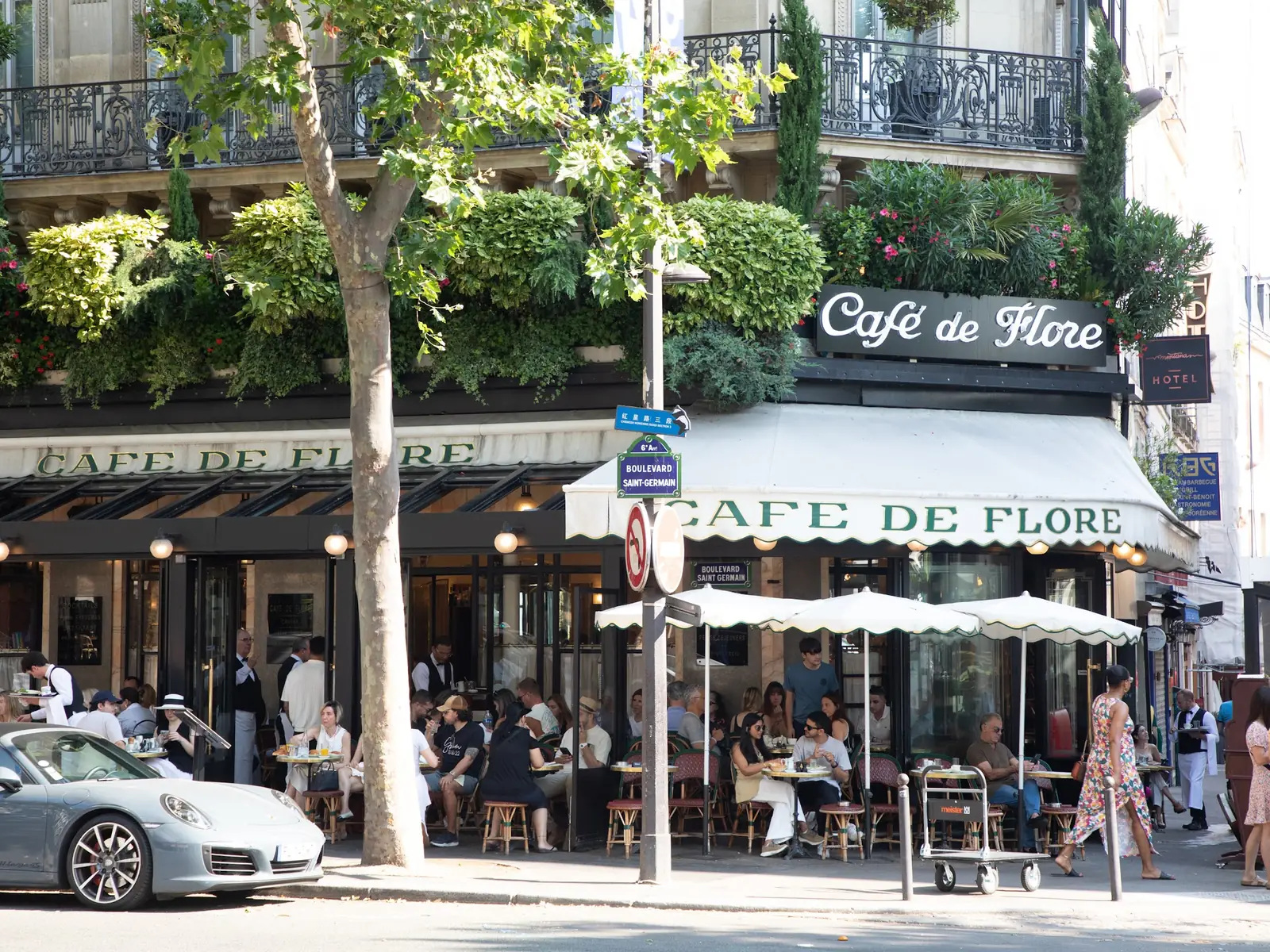
Paris has 1,200 artisan bakeries and 82 food markets, alongside its neighbourhood bistros and speciality grocers. The capital is therefore not just the city of Michelin-starred restaurants: it is above all the city of everyday good food, available around the corner for a few euros. The essential Parisian dishes can be enjoyed around the corner, for a few euros.
Each neighbourhood has its gastronomic personality: the cheese shops of Rue de Bretagne, the patisseries of the Marais, the Italian delis of the 9th, the Japanese caterers of Rue Sainte-Anne. This everyday food richness is one of the aspects of Paris that expatriates most often cite as a reason to stay.
Does Paris offer real career opportunities?
The Ile-de-France region concentrates 30% of French GDP and the majority of CAC 40 headquarters. The luxury, tech, finance, consulting and research sectors are actively recruiting. The unemployment rate in Paris is below the national average.
For international executives, Paris offers a complete ecosystem: international schools, structured expat communities, easy airport access (Roissy CDG 30 min by RER, Orly 25 min by Orlyval). Our guide to buying in Paris as a foreigner details the specific steps.
Does Paris have enough green space?
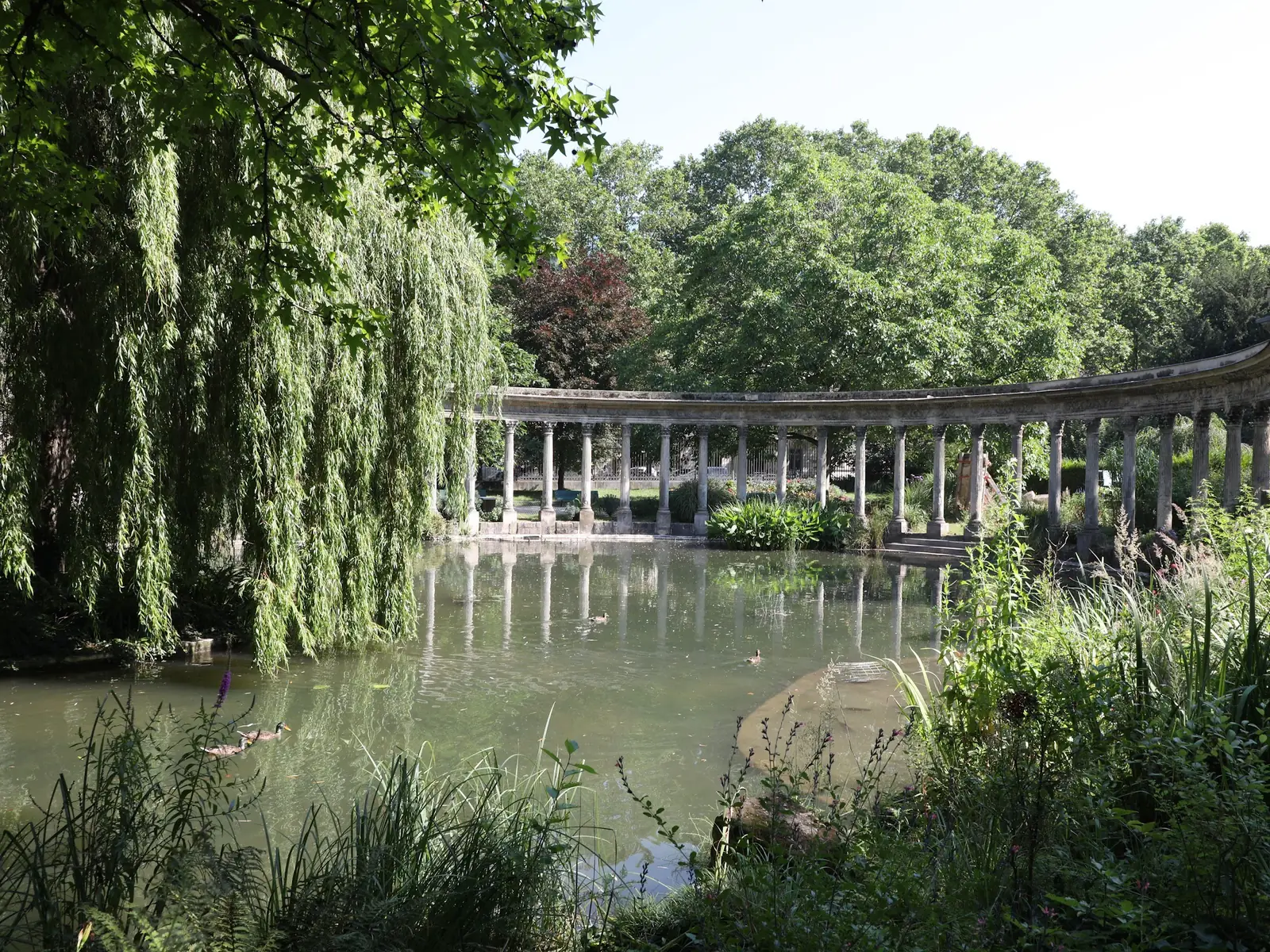
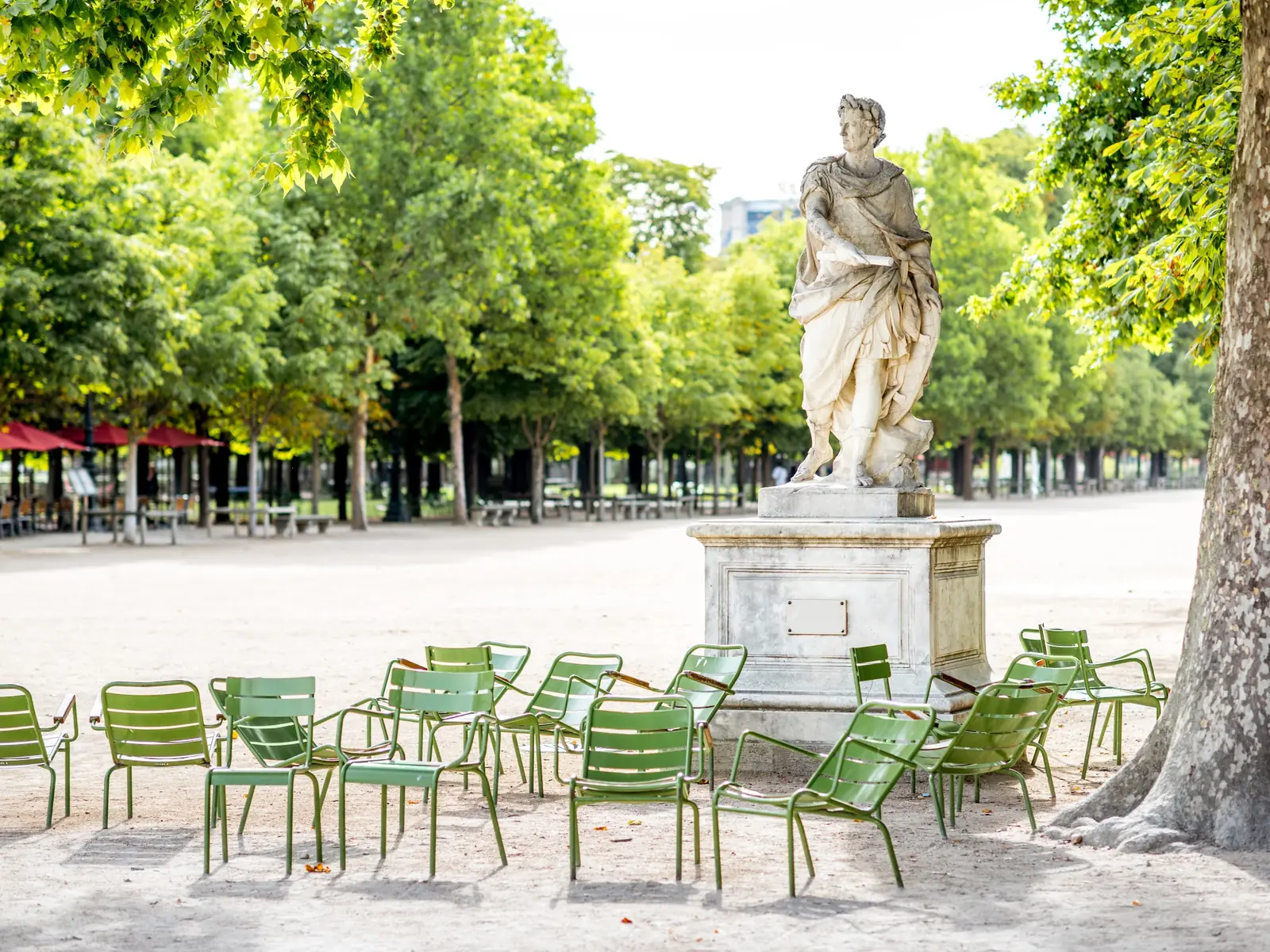
Paris has 500 parks and gardens, from the Jardin du Luxembourg to the Bois de Vincennes (995 hectares). The city’s greening programme has added 30 hectares of green spaces since 2020. The pedestrianised Seine riverbanks, green corridors (the Promenade Plantee in the 12th, the Petite Ceinture) and suburban parks (Sceaux, Saint-Cloud) complete the offering.
For families, having a park nearby is a determining criterion. Our guide to the best arrondissements for families incorporates this dimension.
What makes Parisian architecture unique?
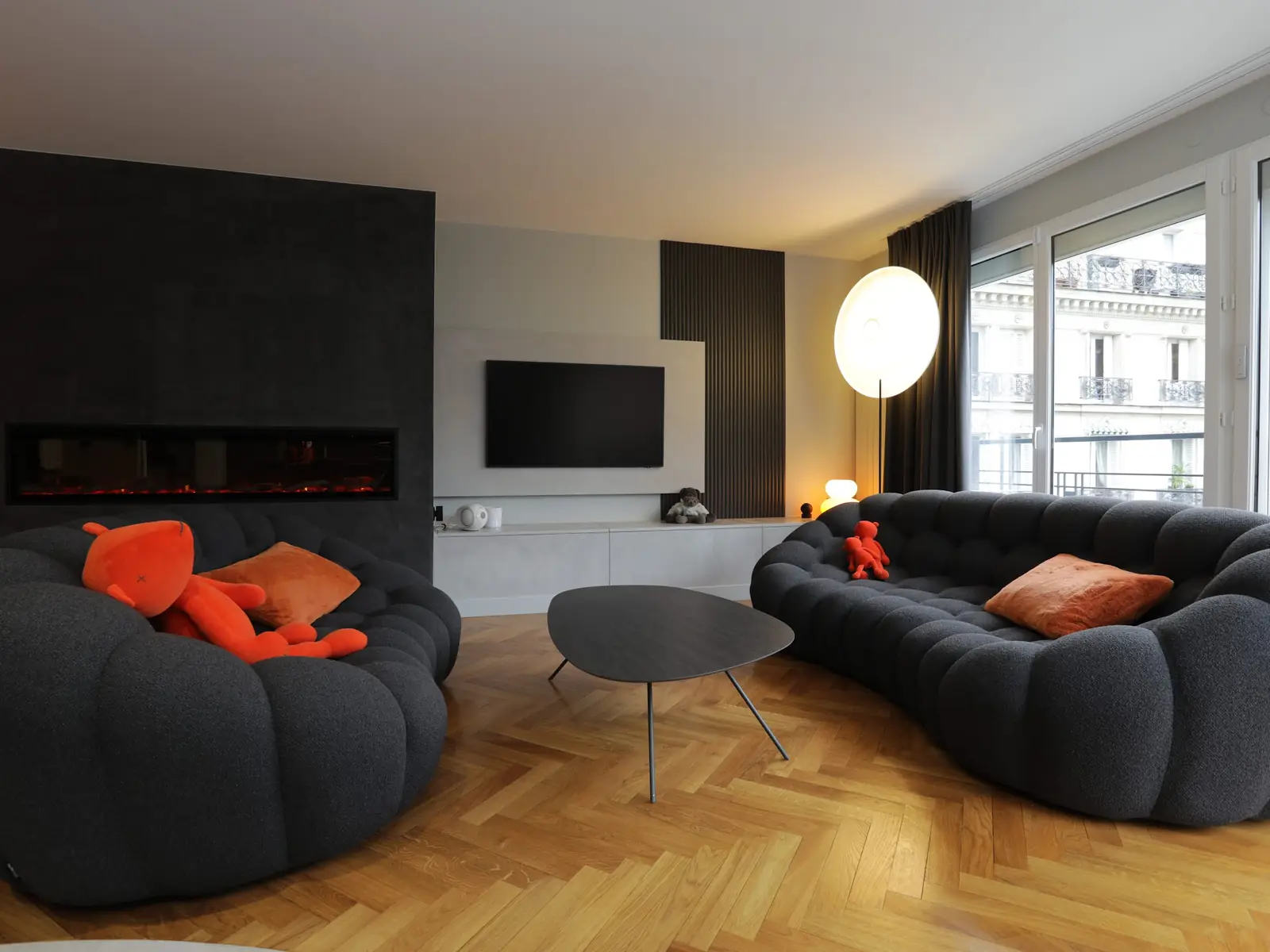
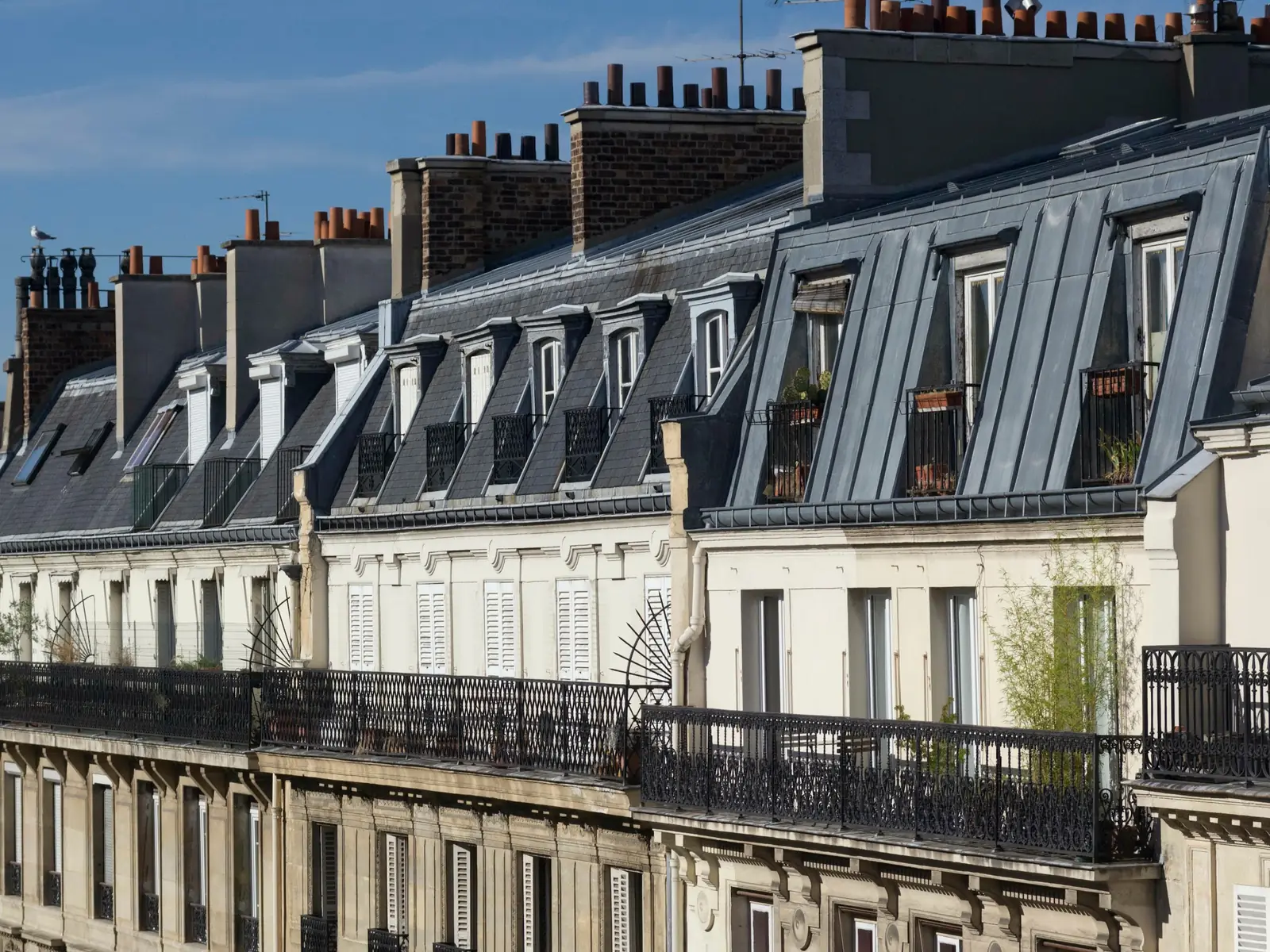
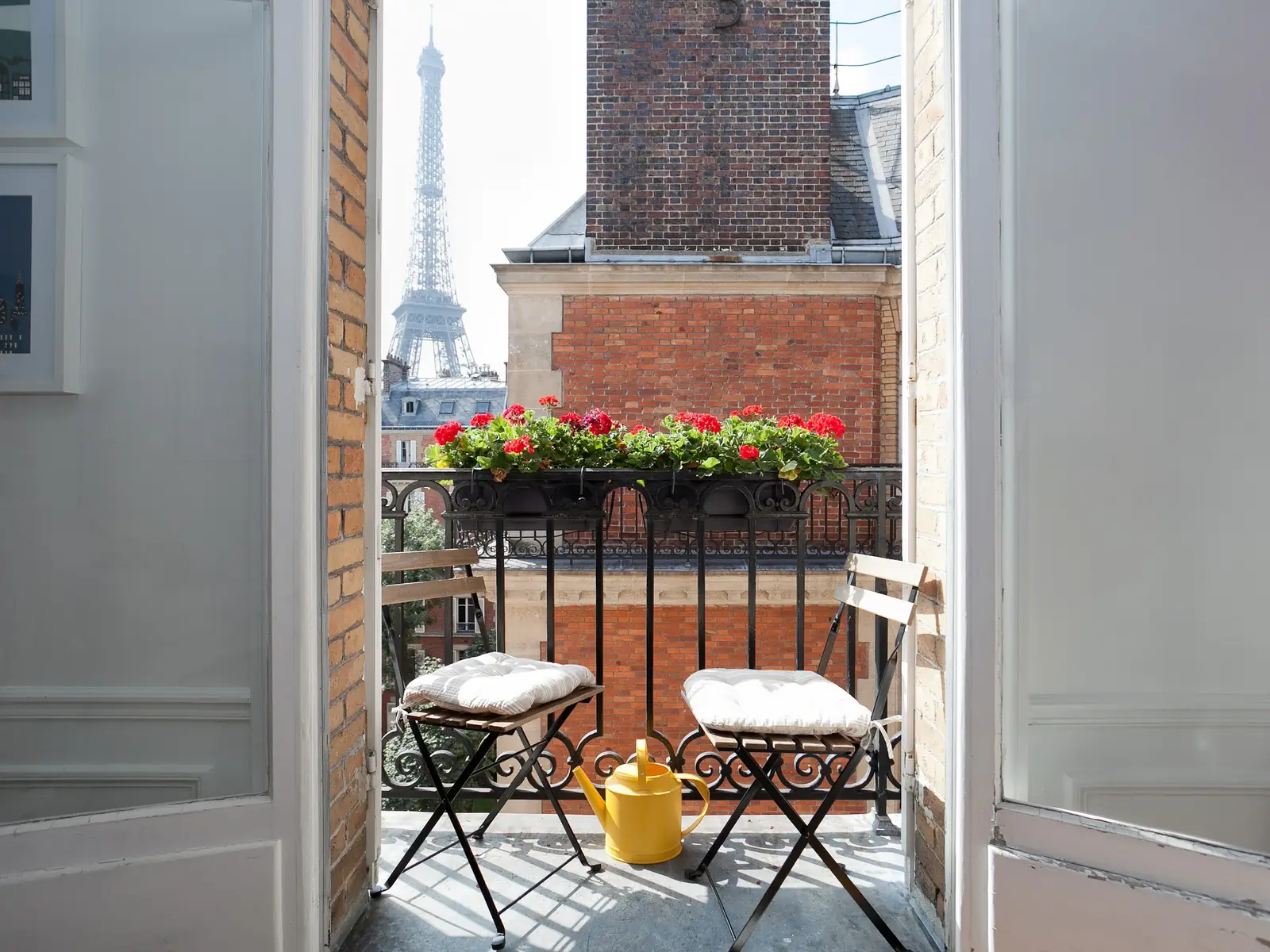
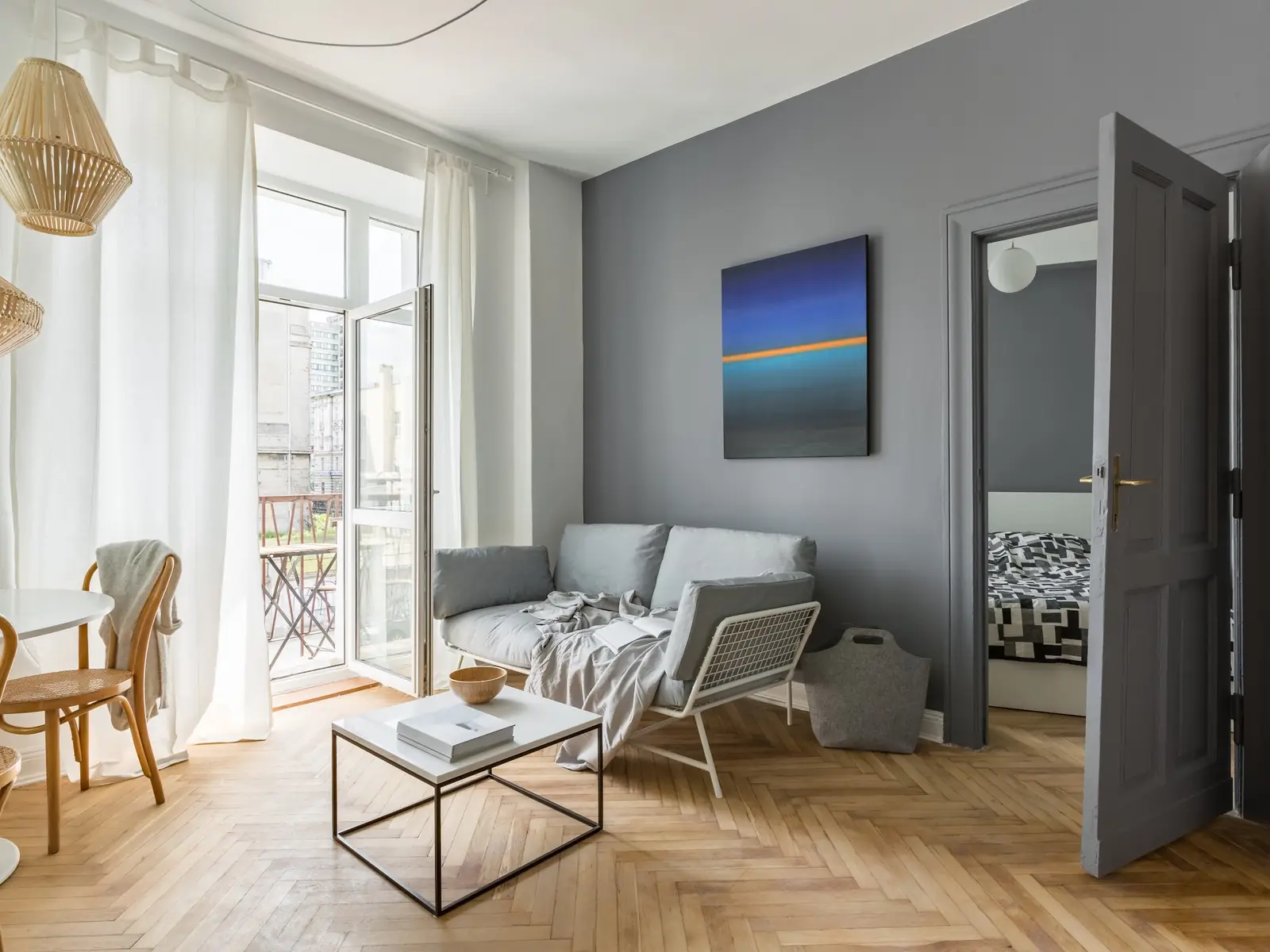
Living in Paris means inhabiting a city-museum where three-metre ceiling heights, Hungarian-point parquet floors and mouldings are the daily reality of thousands of residents. Haussmannian buildings, the Marais mansions, the artist studios of Montmartre, the industrial lofts of the 11th: each neighbourhood has its architectural identity.
This heritage has a cost, but also a stable patrimonial value. Parisian property has weathered every crisis of the last 30 years without ever losing more than 10% of its value over the long term.
Is Paris easy to get across day to day?
Paris intra-muros covers 105 square kilometres and can be crossed by bicycle in 45 minutes, on foot in 2 hours. It is a compact city. This compactness means everything is close: the office, the school, the market, the park, the restaurant. The average commute time for Parisians is 35 minutes, compared to 45 minutes on average in the Ile-de-France region.
This proximity also impacts lifestyle: you do your shopping on foot, you go out in the evening on foot, you take the children to school on foot. It is a quality of urban life that few major cities offer.
Where do you start when moving to Paris?
The choice of neighbourhood is the most important decision. It depends on budget, lifestyle, family composition and workplace. A property hunter can help navigate between the 80 neighbourhoods of Paris and identify the one that best matches each life project.
Thinking about moving to Paris? Contact our team to discuss and define your project together.
Sources
Frequently asked questions
01 Is Paris a pleasant city to live in day to day?
Yes, provided you choose the right neighbourhood. Paris offers an unmatched density of services (shops, transport, healthcare, culture) in France. Parisians cite cultural life, gastronomy and ease of getting around as the main assets. The drawbacks (noise, prices, small spaces) can be managed by selecting the right arrondissement and the right type of property.
02 What budget is needed to settle in Paris in 2026?
The average price in Paris is around 11,100 euros per square metre in 2026. A two-room apartment of 40 sqm costs between 350,000 and 500,000 euros depending on the arrondissement. The most affordable arrondissements (13th, 19th, 20th) offer prices between 8,000 and 9,500 euros per square metre. A property hunter can optimise the budget by identifying opportunities before the market.
03 What are the best neighbourhoods for a first move to Paris?
For a first purchase, the 10th, 11th, 12th and 18th arrondissements offer a good quality of life to price ratio. Canal Saint-Martin (10th), Bastille (11th), Nation-Picpus (12th) and Montmartre (18th) combine neighbourhood life, transport access and prices that are still accessible compared to the Paris average.
04 Is transport an asset for living in Paris?
Yes, it is one of the capital's main assets. 95% of Parisians live within 500 metres of a metro station, and Paris intra-muros, at 105 square kilometres, can be crossed by bicycle in around 45 minutes. The Grand Paris Express adds 200 km of automated lines and 68 new stations by 2030, further strengthening the connection between Paris and its suburbs. This transport density makes it possible to live without a car and weighs heavily in the choice of neighbourhood. Home Select, a property hunter in Paris since 2011, covers all 20 arrondissements and 68 municipalities of the Ile-de-France region with 16 hunters organised by sector.