









In brief
In Paris in 2026, a condominium's common areas, defined by Article 3 of the law of 10 July 1965, gather the structural elements, circulation areas and shared equipment, distributed according to shares (tantiemes) that also set voting weight at the general assembly; a Haussmann facade restoration costs 150,000 to 400,000 euros and an exclusive right of enjoyment over a terrace can raise a lot's value by 15 to 20%. Home Select, a Paris property hunter since 2011 and member of the FCI, systematically checks common areas and shares, drawing on 1,200+ buyers supported.
Key takeaways
- Common areas in a Parisian condominium include the building structure, circulation areas, shared equipment and sometimes outdoor spaces
- Shares (tantiemes) determine both the distribution of charges and voting weight at general assembly meetings
- Replacing a lift in a Parisian Haussmann building costs between 80,000 and 150,000 euros depending on the number of floors
- The law of 10 July 1965 and the ordinance of 30 October 2019 define the legal framework for common areas in French condominiums
The common areas of a condominium refer to all the elements of the building that belong collectively to all the co-owners or to some of them. They include the building structure, circulation areas, shared equipment and sometimes outdoor spaces. Their management and maintenance represent the bulk of condominium charges.
Introduction
Buying an apartment in Paris means acquiring a private lot but also a share of common areas. In 2026, in a Haussmann building in the 10th arrondissement with 20 lots, this share can represent between 30 and 80 thousandths depending on the lot’s surface area and floor. Understanding what common areas cover, your rights and obligations as a co-owner, is essential to evaluate the true cost of your purchase and anticipate future expenses. After more than 1,200 completed mandates at Home Select, I can confirm that the question of common areas is often underestimated by buyers.
Table of contents
- What counts as common areas in a condominium?
- What is the difference between general and special common areas?
- What are condominium shares (tantièmes) for?
- What are a co-owner’s rights and obligations?
- How much do works on common areas cost in Paris?
- FAQ
What counts as common areas in a condominium?
They are the parts of the building allocated to the use of all co-owners or of several of them, as defined by Article 3 of the law of 10 July 1965: the land, the courtyards, the structural work, shared equipment and circulation areas. Unless the condominium rules say otherwise, these elements are presumed to be common.
Article 3 of the law of 10 July 1965 defines common areas as the elements of the building and land allocated to the use or utility of all co-owners or several of them. Since the ordinance of 30 October 2019, this definition has been refined to more clearly distinguish common areas from private areas.
The following are presumed to be common areas, unless the condominium rules state otherwise: the land, courtyards, parks and gardens, access routes, the structural elements of the buildings (load-bearing walls, roofs, floors), shared equipment (boiler room, lift, main pipes), flue liners and chimneys, communal service areas, and corridors and passages.
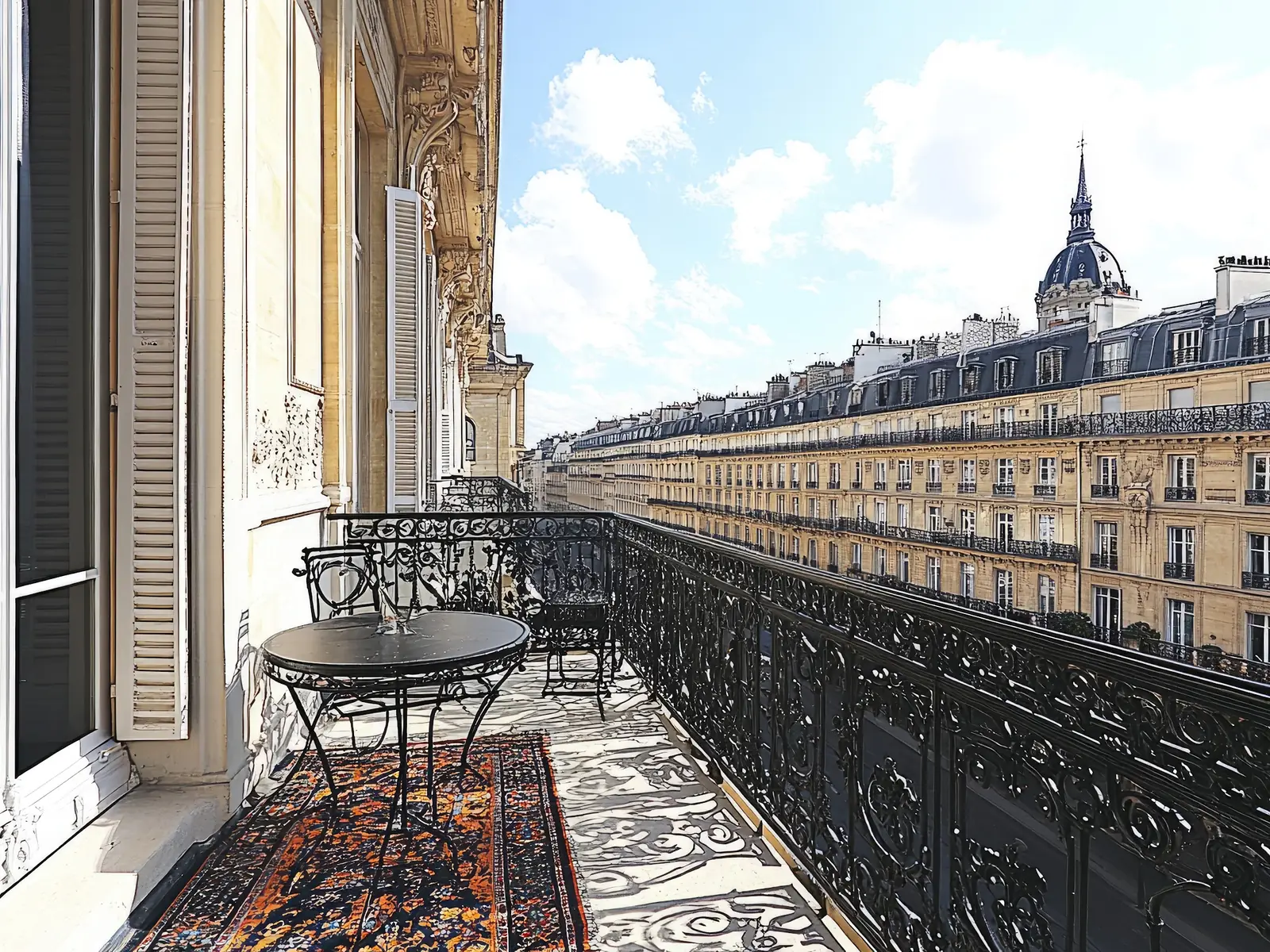
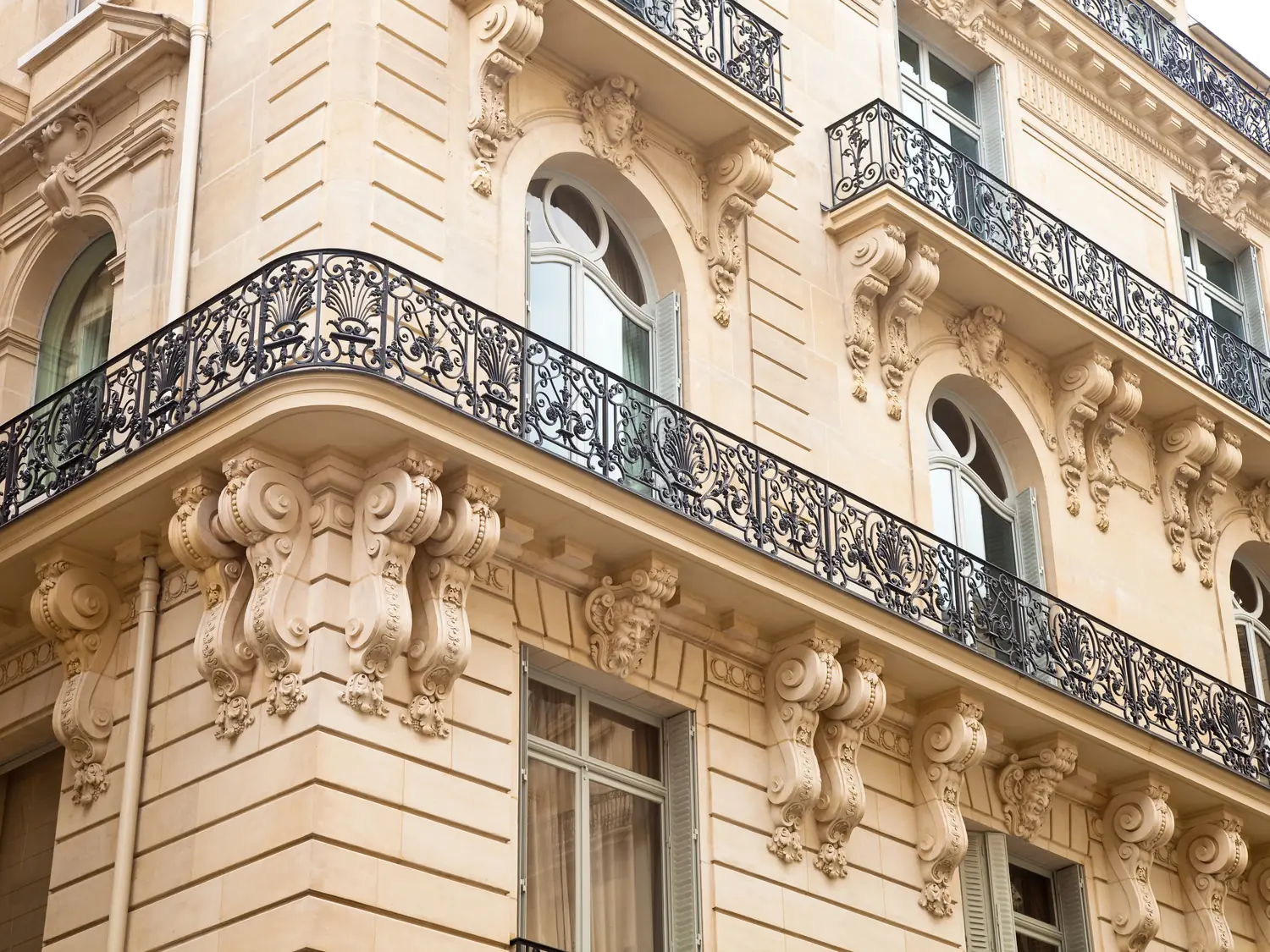
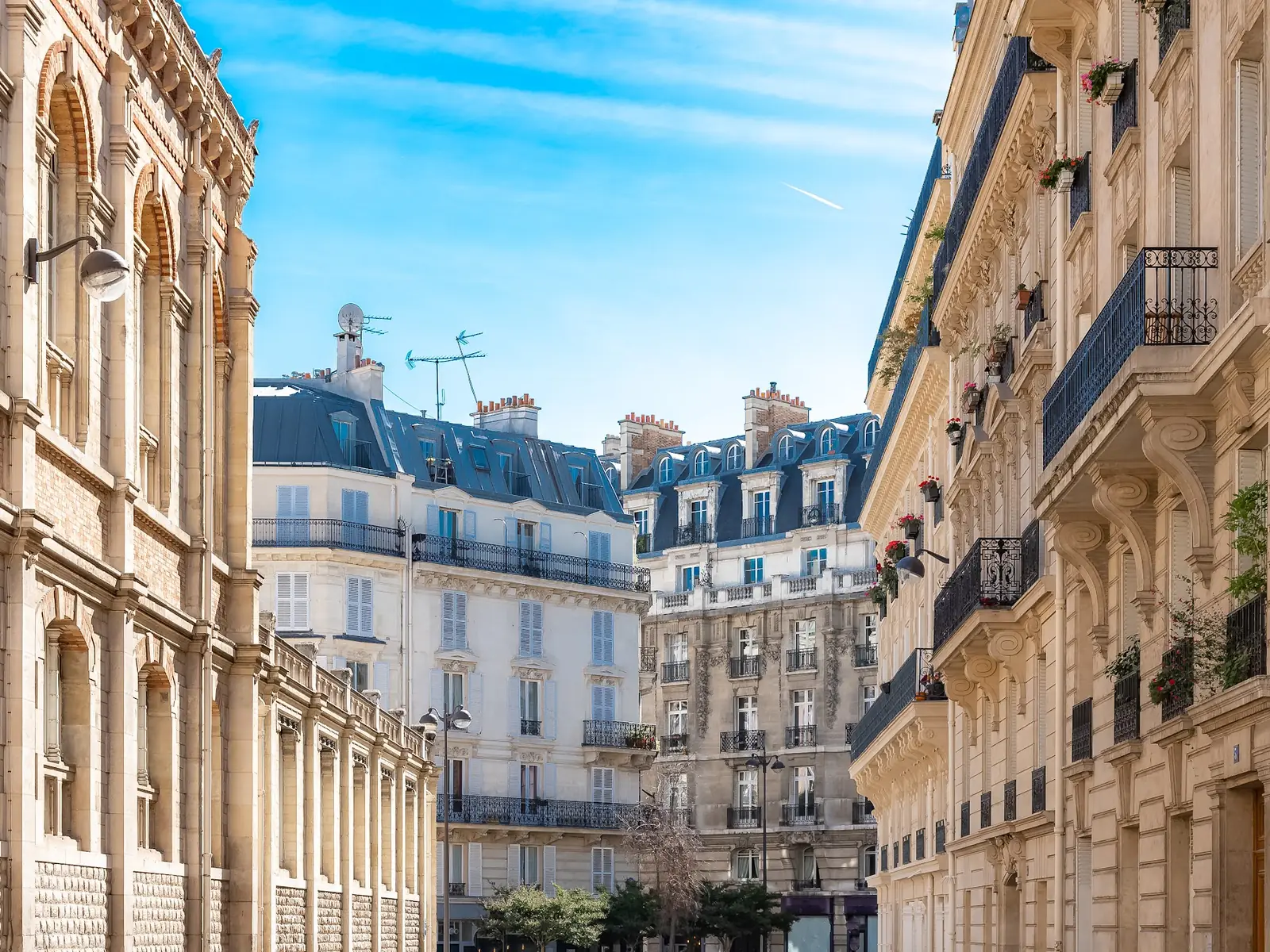
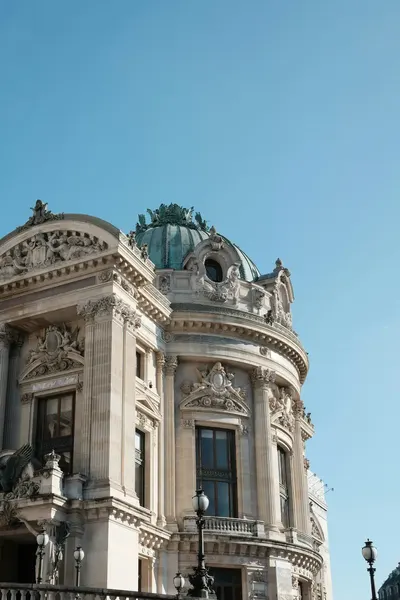
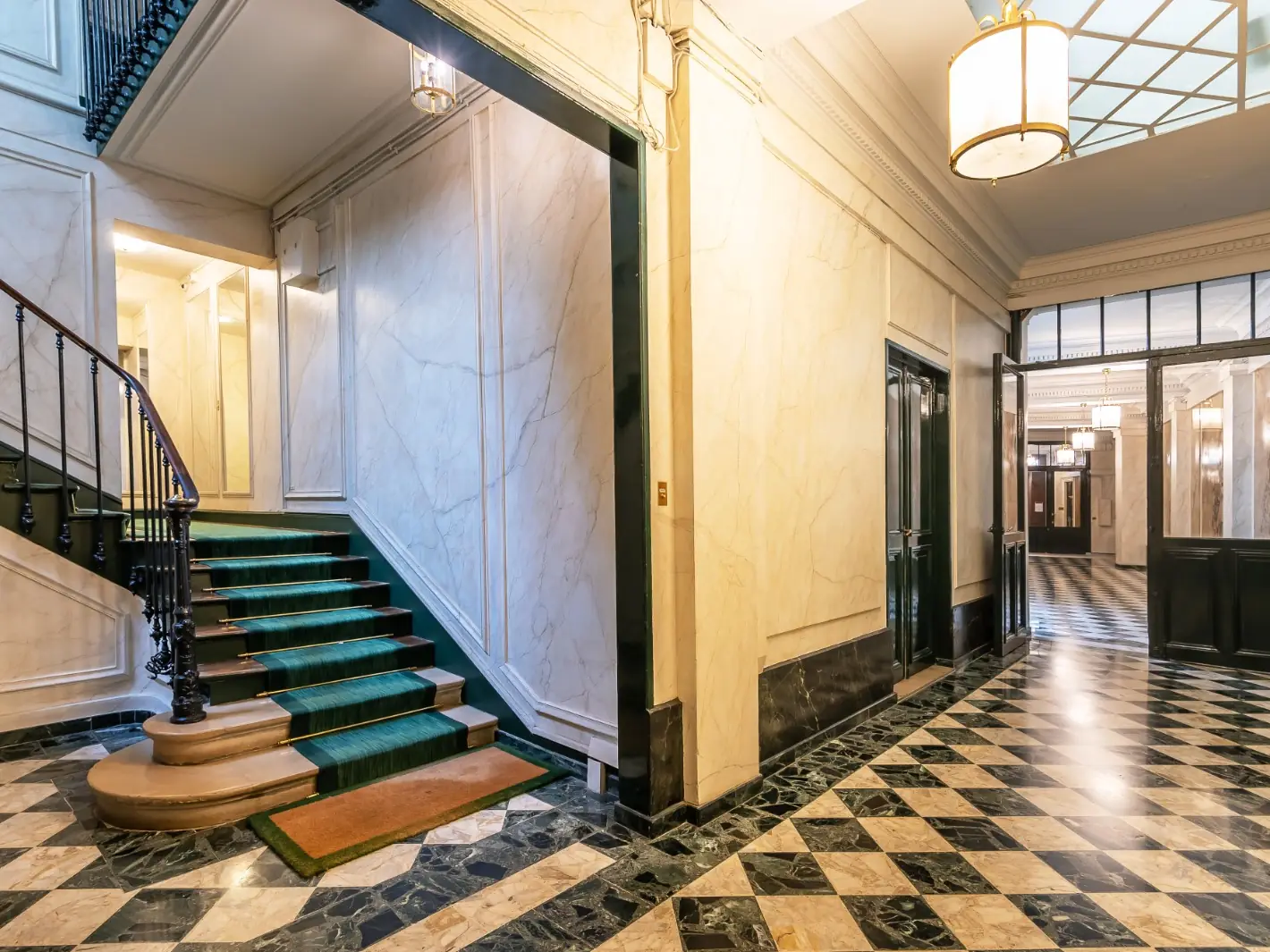
In Paris, Haussmann buildings often feature common areas of great architectural quality: stone staircases, wrought-iron railings, decorated entrance halls. These heritage elements entail specific maintenance costs that are reflected in the condominium charges.
The distinction between common areas and private areas is established by the condominium rules. Some elements such as windows, shutters or balconies may be classified differently from one building to another. It is therefore essential to read the condominium rules before buying, alongside the summary sheet.
What is the difference between general and special common areas?
General common areas belong to every co-owner (land, load-bearing structure, roof, façades, main networks) and are funded by all of them according to their general shares. Special common areas concern only a group of lots, for example the staircase or lift of a single block: only the co-owners served pay for them, according to separate special shares.
The law distinguishes two categories of common areas, and this distinction has direct consequences on the calculation of your charges.
General common areas belong to all co-owners. They typically include the land, the load-bearing structure, the roof, the façades and the main utility networks. All co-owners contribute to their maintenance according to their general shares.
Special common areas concern only a group of co-owners. In a Parisian building comprising several blocks around a courtyard, each block may have its own special common areas: its staircase, its lift, its stairwell. Only the co-owners of the lots served by these facilities contribute to their maintenance.
Take the example of a building in the 6th arrondissement composed of a street-facing block and a courtyard-facing block. If the lift serves only the street-facing block, only the co-owners of that block fund its maintenance and potential replacement. In 2026, replacing a lift in a Parisian Haussmann building costs between 80,000 and 150,000 euros depending on the number of floors.
The condominium rules must explicitly list the special common areas and the associated distribution keys. Old or poorly drafted rules can generate significant disputes. Home Select’s property hunters systematically verify this point when analysing condominium documents.
What are condominium shares (tantièmes) for?
Two things: splitting the charges and weighting the votes at the general assembly. A lot with 50 shares out of 1,000 bears 5% of the general charges and carries 5% of the votes; those shares are set out in the descriptive schedule of division annexed to the condominium rules.
Shares (tantiemes) represent each lot’s proportion of the condominium’s common areas. They are set in the descriptive schedule of division, a document annexed to the condominium rules.
The calculation of shares takes several criteria into account: the lot’s surface area, its position in the building (floor, orientation, view), and its configuration (number of rooms, amenities). In practice, an 80 m² apartment on the 4th floor with a courtyard view in the 7th arrondissement will have more shares than a 25 m² studio on the ground floor of the same building.
Shares serve two essential functions. First, they determine the distribution of charges. A lot with 50 shares out of 1,000 bears 5% of the condominium’s general charges. Second, they set the number of votes each co-owner has at general assembly meetings.
Several share grids may exist within the same building: general shares for general common charges, and special shares for each category of special charges (lift, heating, water). This multiplicity is common in large Parisian condominiums.
A point of vigilance for buyers: shares cannot be modified by a simple general assembly decision. Any modification requires a unanimous vote or a court decision. Checking the adequacy of your shares with the reality of your lot is therefore a useful precaution, particularly if extension works were carried out by a previous owner.
What are a co-owner’s rights and obligations?
You have the right to use the common areas for their intended purpose, to vote on decisions concerning them in proportion to your shares, and to obtain any management document from the condominium manager. In return, you pay charges according to your shares and cannot touch a common area without a general assembly vote, even from inside your own lot.
As a co-owner, you have rights over common areas but also obligations that should be assessed before buying.
Your rights. You have the right to use common areas in accordance with their designated purpose. You may participate in decisions concerning them at the general assembly, in proportion to your shares. You may request the condominium manager to provide any document relating to the management of the condominium.
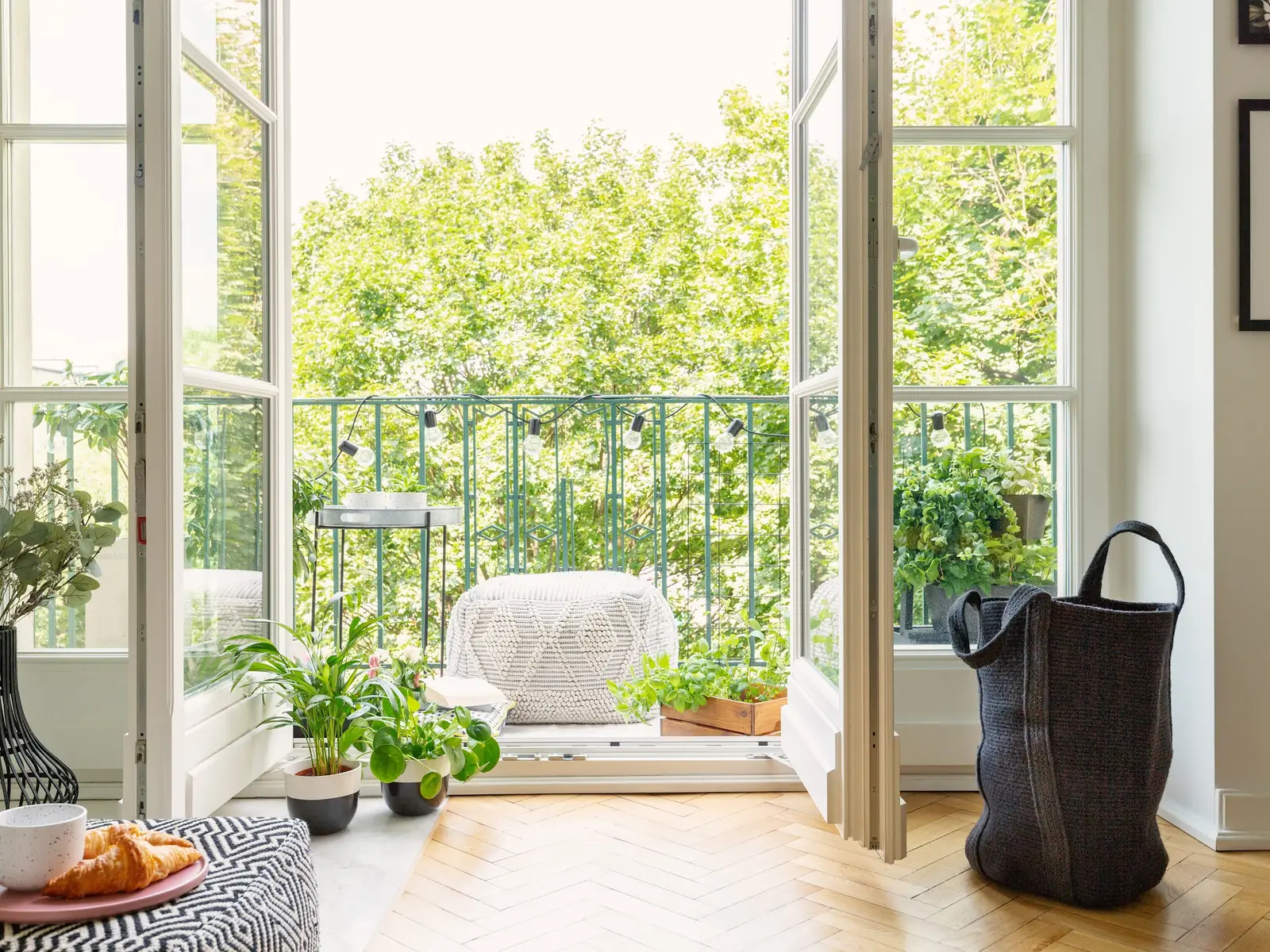
Some lots also benefit from an exclusive right of enjoyment over common areas: a rooftop terrace, a portion of the courtyard, an attic. In Paris, this exclusive right of enjoyment can significantly increase a lot’s value. An apartment on the top floor of the 5th arrondissement with exclusive enjoyment of a 20 m² rooftop terrace trades on average for 15 to 20% more than a comparable lot without this advantage.
Your obligations. You must contribute to the payment of charges according to your shares, comply with the condominium rules and not infringe on the rights of other co-owners. You may not carry out works affecting common areas without general assembly approval, even if these works concern the interior of your lot. This applies in particular to the removal of a load-bearing wall or the modification of a façade.
Failure to comply with these obligations may result in legal action by the condominium syndicate. In 2026, Parisian courts handle a large volume of disputes relating to common areas, with average proceedings lasting 12 to 18 months.
How much do works on common areas cost in Paris?
Routine maintenance averages 10 to 15 euros per square metre of lot per year. Major works voted at the general assembly weigh far more: 800 to 1,500 euros per square metre of façade for a restoration, or 150,000 to 400,000 euros for a medium-sized building, and 80,000 to 150,000 euros to replace a lift.
Works on common areas often represent the largest expense item for a Parisian co-owner, aside from the acquisition itself.
Routine maintenance works are decided by the condominium manager within the provisional budget: pipe repair, timer replacement, stairwell maintenance. In Paris, these works represent on average 10 to 15 euros per square metre of lot per year.
Major works are voted at the general assembly: façade restoration, roof renovation, lift replacement, electrical system upgrades. A complete façade restoration of a Haussmann building in the 8th arrondissement costs on average 800 to 1,500 euros per square metre of façade, or 150,000 to 400,000 euros for a medium-sized building.
Energy renovation works are becoming increasingly important in 2026. External thermal insulation, collective boiler replacement and renovation of windows on common areas are major expense items. Government grants (MaPrimeRenov’ Copropriete) can fund up to 25% of the works under certain conditions.
Before buying, review the minutes of the last three general assembly meetings to identify works that have been voted and those under discussion. The building maintenance log and the calls for funds will give you a complete picture of the situation.
If you are looking for an apartment in Paris and would like an expert analysis of the common areas and the condominium, Home Select’s property hunters are at your service. Contact Home Select to define your project together.
FAQ
Can common areas be used for private purposes?
Yes, under certain conditions. The condominium rules may grant an exclusive right of enjoyment over a common area (courtyard, terrace, attic). This right is attached to the lot, not to the co-owner. It does not confer ownership and does not allow construction without general assembly authorisation.
Who pays for works on special common areas?
Only the co-owners concerned by the special common area contribute to funding the works. For example, works on a staircase serving the lots in building A are shared only among the co-owners of that building, according to their special shares.
How do I find out what my common area shares are?
The shares for each lot are stated in the descriptive schedule of division annexed to the condominium rules. This document can be consulted with the condominium manager or at the land registry. They determine your share of charges and your voting weight at the general assembly.
Sources
Frequently asked questions
01 Can common areas be used for private purposes?
Yes, under certain conditions. The condominium rules may grant an exclusive right of enjoyment over a common area (courtyard, terrace, attic). This right is attached to the lot, not to the co-owner. It does not confer ownership and does not allow construction without general assembly authorisation.
02 Who pays for works on special common areas?
Only the co-owners concerned by the special common area contribute to funding the works. For example, works on a staircase serving the lots in building A are shared only among the co-owners of that building, according to their special shares.
03 How do I find out what my common area shares are?
The shares for each lot are stated in the descriptive schedule of division annexed to the condominium rules. This document can be consulted with the condominium manager or at the land registry. They determine your share of charges and your voting weight at the general assembly.
04 What is the difference between general and special common areas?
General common areas belong to all co-owners: the land, the load-bearing structure, the roof, the facades and the main networks. Everyone contributes according to their general shares. Special common areas concern only a group of co-owners, for example the staircase or lift of a single courtyard block. Only the co-owners of the lots served fund their maintenance and replacement, according to separate special shares set out in the condominium rules.