


















Wealth
Buying in Paris for long-term wealth: scarcity, long ownership, wealth tax, capital gains and succession. A market where value lasts
Featured · Wealth
IFI: guide to the French real estate wealth tax
The main home carries an automatic 30% allowance, mortgage debt cuts the taxable base and split ownership takes the asset out of the bare owner's IFI.
Read the article7 articles
All articles
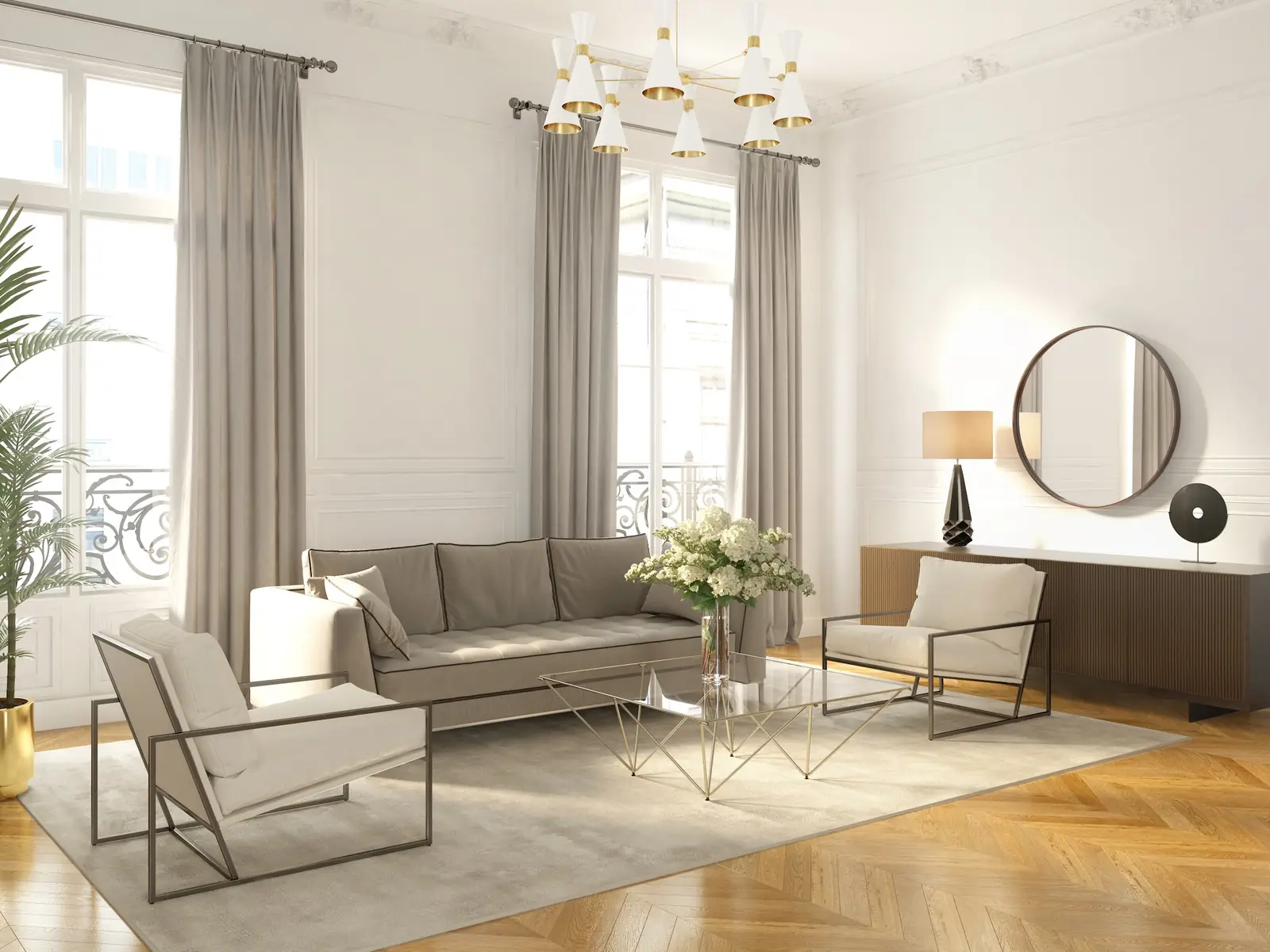 Second Home in Paris: A Smart Investment
  Capital gains tax on Paris property: calculation, allowances and exemptions
  Buying or Renting in Paris in 2026: The Real Calculation
  Buying a Pied-a-Terre in Paris: The Complete Guide
  SCI for buying in Paris: advantages, pitfalls and how it works
 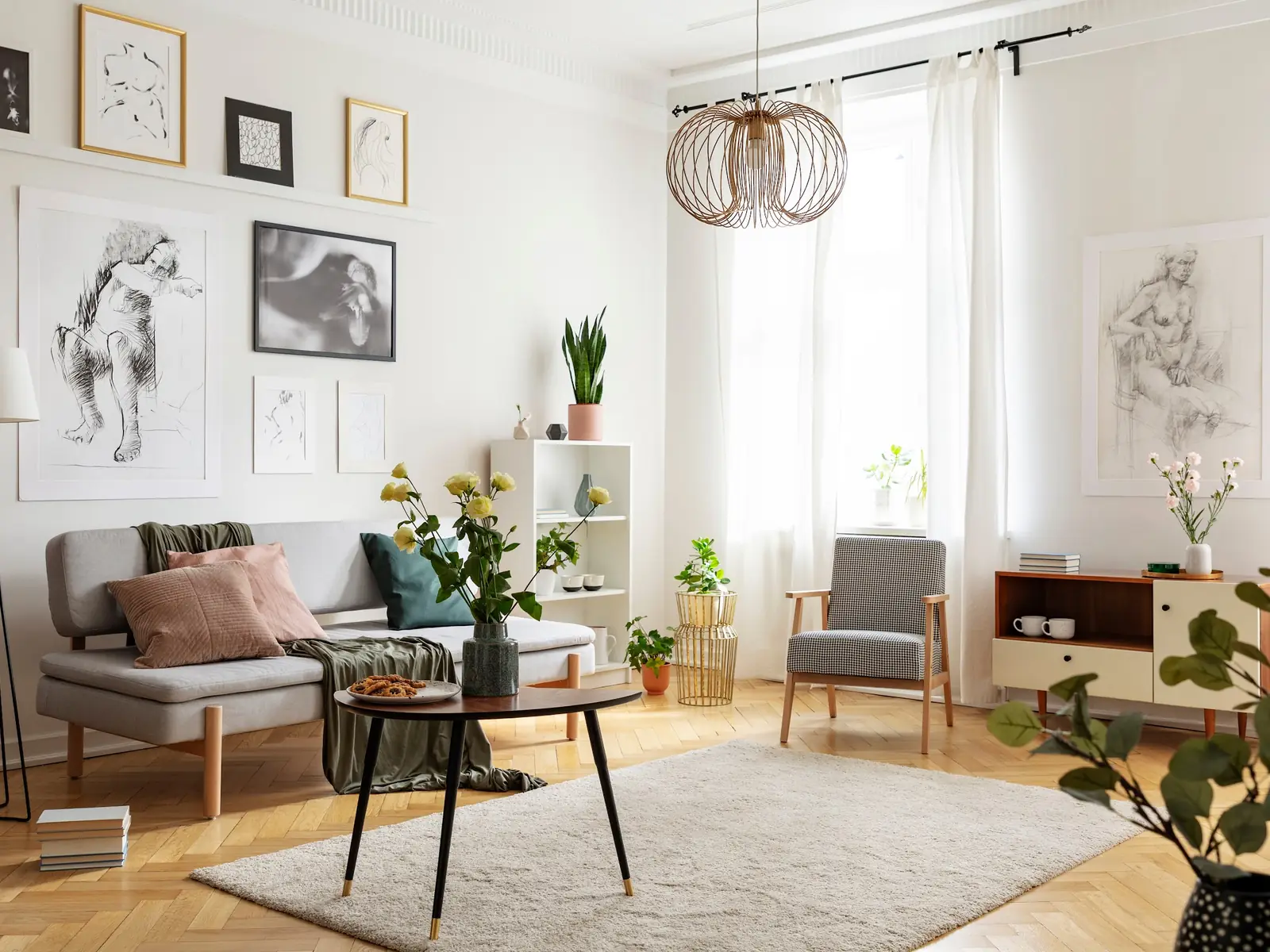 Investing in Paris in 2026: The Guide to Wealth-Focused Property Investment
 Frequently asked questions
Is Paris property a sound long-term asset in 2026?
Not in yield terms: Paris caps out between 2 and 4% gross, where some French regional markets exceed 6%. If your decision rests on rent divided by price, Paris is the wrong market and that should be said plainly. The Paris market justifies itself elsewhere: preserving value in a closed housing stock, resale liquidity and passing assets on.
What should you buy in Paris for a wealth-driven investment?
What cannot be reproduced: a high floor with a lift, an open view, dual aspect, quiet in a central district, a top floor, a terrace. Anything a renovation can fix (dated kitchen, awkward layout, tired parquet) is negotiable instead and lowers the entry price without touching long-term value. Paying more per square metre in the right place is safer than the reverse.
Should I buy through an SCI or in my own name in Paris?
Personal ownership is simplest for a first property and keeps the capital gains exemption on a main residence. An SCI makes sense for succession or shared ownership: its real value is legal rather than tax-driven, since a flat cannot be cut into three where shares can. The choice depends on your horizon and tax exposure, not on a general rule.
A confidential search
Entrust your search to Home Select
The finest Paris properties change hands discreetly. Home Select gives you access through its 16 hunters.
Describe your search4.8/5 on Google (130+ reviews) 01 78 76 78 10