




















In brief
The block sale of a Parisian building (vente a la decoupe) is governed by the law of 31 December 1975 and the collective agreement of 9 June 1998: each tenant has a two-month pre-emption right, extended to four months if applying for a mortgage, and tenants over 70 with income below 1.5 times the minimum wage benefit from enhanced protection. Units not pre-empted can trade 5 to 15% below the neighbourhood market rate. Home Select, a property hunter in Paris since 2011, monitors these operations in advance, often through the off-market network, to position its 1,200+ buyers supported.
Key takeaways
- Tenants have a 2-month pre-emption right to buy their unit during a block sale, with 2 extra months if applying for a mortgage
- Units not purchased by tenants can sell at 5-15% below neighbourhood market rates due to volume effect
- Block sales are governed by the law of 31 December 1975 and the collective agreement of 9 June 1998
- Tenants over 70 with income below 1.5 times the minimum wage benefit from enhanced protection and cannot be forced to leave
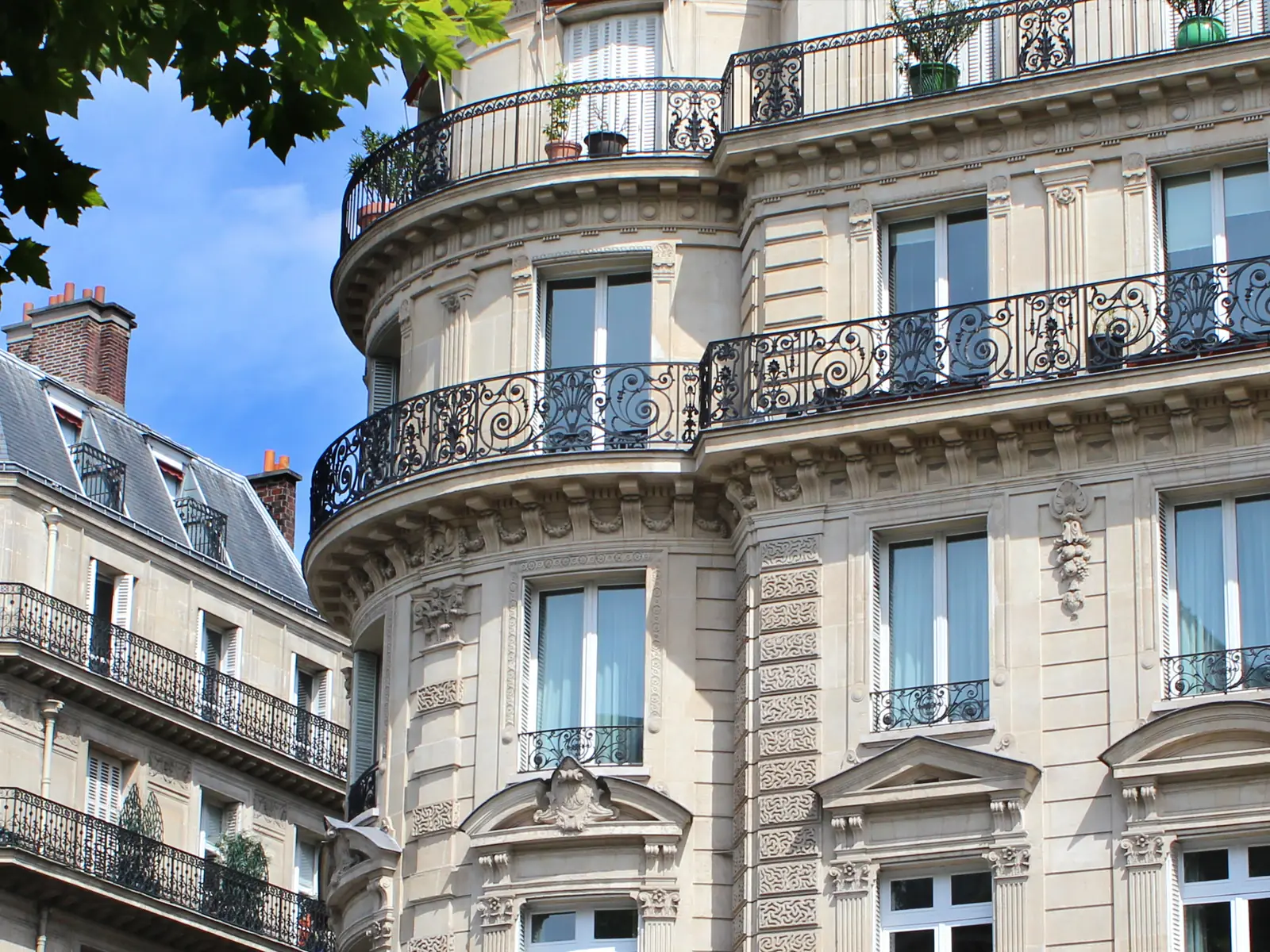
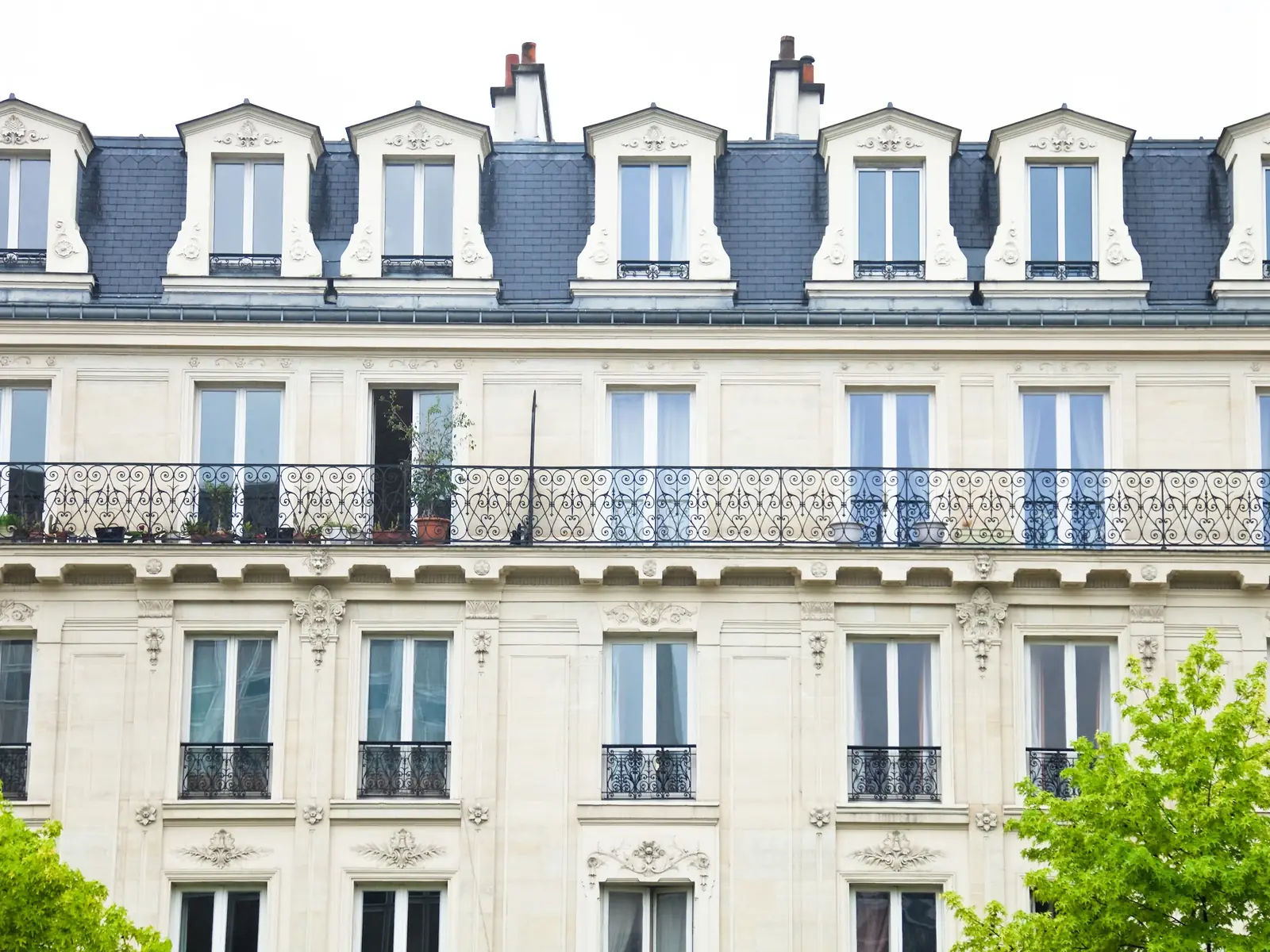
A block sale (vente a la decoupe) refers to the individual sale of units in a building that previously belonged to a single owner, often an institutional investor, an insurance company or a property fund. In Paris, this practice mainly concerns Haussmann-era buildings in central arrondissements, and it is strictly regulated by law to protect sitting tenants.
Which law governs a block sale?
The law of 31 December 1975 and the collective agreement of 9 June 1998, renewed and strengthened since, govern this process. Before selling units individually, the building owner must establish a co-ownership structure, draw up co-ownership regulations, carry out all mandatory technical surveys and notify each tenant individually.
The collective agreement imposes specific conditions. The owner must carry out a comprehensive technical survey of the building. Tenants over the age of 70 whose income falls below a threshold (1.5 times the minimum wage) benefit from enhanced protection: they cannot be forced to leave.
The City of Paris also has its own urban pre-emption right, which it regularly exercises on block sale operations in arrondissements where property market pressure is strong.
What rights does a tenant have in a block sale?
Each tenant benefits from a pre-emption right and has two months to accept or refuse the sale offer, extended to four months if they apply for a mortgage. They are never obliged to buy: if they decline, their lease continues under existing conditions.
The owner must send that offer by registered letter with acknowledgement of receipt, stating the price, the conditions of sale and a precise description of the unit. Throughout the pre-emption period, including the two extra months granted to secure financing, the unit cannot be offered to a third party.
The price offered to the tenant must correspond to market value. If the owner subsequently decides to sell the unit at a price lower than that offered to the tenant, they must notify the tenant again: this is the subsidiary pre-emption right.
A notice to vacate for sale can only be served at the normal lease expiry, with six months’ notice, and in compliance with the legal pre-emption right provided by the law of 6 July 1989.
Is a block sale unit cheaper than a standard property?
Often yes: the price per square metre of units not pre-empted can be 5 to 15% below the neighbourhood market rate, particularly when the operation involves a large number of units being sold simultaneously. The volume effect works in the buyer’s favour.
These properties also offer good value for other reasons: institutional buildings have generally been well maintained (roof, stairwell, facade) and the units benefit from generous floor areas, characteristic of pre-1950 buildings. They reach the open market once the sitting tenants have waived their pre-emption right.
However, the interior condition of apartments varies considerably. Long-term tenants may have done little maintenance, and bringing the property up to standard (electrical, plumbing, insulation) can represent a significant investment. A thorough viewing is essential.
What should you check before buying in a block sale?
Three points deserve a check before committing: the freshly drafted co-ownership regulations, the presence of tenants in some of the units, and a timeline running over several months. To these must be added the interior condition, which varies widely from one unit to the next.
The first concerns the newly created co-ownership. Co-ownership regulations drafted as part of a block sale may contain provisions that are unfavourable to individual co-owners, particularly regarding the allocation of charges. These must be analysed carefully before committing.
The second point relates to remaining tenants. If some units are sold with sitting tenants, managing the co-ownership can prove complex, with landlord-owners and owner-occupiers whose interests sometimes diverge.
Finally, the timeline for a block sale is lengthy. Between notifying tenants, pre-emption deadlines and marketing the remaining units, several months pass. A property hunter in Paris monitors these operations in advance and positions clients as soon as units become available, often through the off-market network before public marketing begins.
To be alerted about upcoming block sales in Paris, contact Home Select. Its property hunters in Paris monitor these operations continuously.
Sources
Frequently asked questions
01 Is a tenant obliged to buy their home during a block sale?
No. The tenant has a pre-emption right, meaning priority to purchase their home, but they are never obliged to exercise it. If they choose not to buy, their lease continues under the original terms. They cannot be forced to leave solely because of the block sale.
02 What are the deadlines for the tenant's pre-emption right during a block sale?
The tenant has two months from the notification of the sale offer to make their decision. If the tenant accepts the offer but applies for a mortgage, an additional two months are granted to secure their financing, making four months in total.
03 Can you buy a unit in a block sale without being a tenant in the building?
Yes, but only after the sitting tenant has waived their pre-emption right. Vacant units or those whose tenants have declined the offer are then put up for sale on the open market. This is often the stage at which a property hunter steps in to identify these opportunities.
04 Is a unit sold in a block sale cheaper than the market?
Often yes. Units not purchased by tenants can show a price per square metre 5 to 15% below the neighbourhood market rate, particularly when a large number of units are put up for sale simultaneously: the volume effect works in the buyer's favour. These institutional buildings have generally been well maintained, but the interior condition of the apartments varies and modernisation work should be expected. A thorough viewing remains essential before committing.