
In brief
In 2026, Avenue Montaigne (8th) is the most expensive street in Paris, with prices of 25,000 to 30,000 euros/m2. On the Left Bank, Rue Guynemer (6th) leads the ranking at 22,000 to 28,000 euros/m2 thanks to its view over the Jardin du Luxembourg. The most expensive streets are concentrated in the 6th, 7th and 8th arrondissements, and the scarcity of transactions, sometimes fewer than 5 sales per year, structurally sustains high prices. Home Select buying agents operate in this prime market where a large share of properties trade off-market.
Key takeaways
- Avenue Montaigne (8th arrondissement) is the most expensive street in Paris in 2026, at 25,000 to 30,000 euros/sqm, with predominantly off-market transactions and international buyers
- On the Left Bank, Rue Guynemer (6th) leads the ranking at 22,000 to 28,000 euros/sqm thanks to Luxembourg Gardens views
- The 10 most expensive streets are concentrated in the 6th, 7th, and 8th arrondissements, with fewer than five sales per year on some streets
- Properties with Seine views or monument views can reach 30,000 euros/sqm on the most prestigious addresses
- Home Select, a property hunter in Paris, values every property on real DVF sales, not on asking prices.
Paris has around ten streets where the price per square metre regularly tops 20,000 euros. These addresses, concentrated in the 6th, 7th and 8th arrondissements, combine exceptional architectural heritage, proximity to monuments and a scarcity of available properties. Here is the updated 2026 ranking, drawn from notarial transactions and Home Select’s experience on the ground. For what those gaps actually cover, off-market share included, a dedicated analysis sets out why some Paris streets cost two to three times the average.
Avenue Montaigne: what is the price per sqm on the most expensive street in Paris?
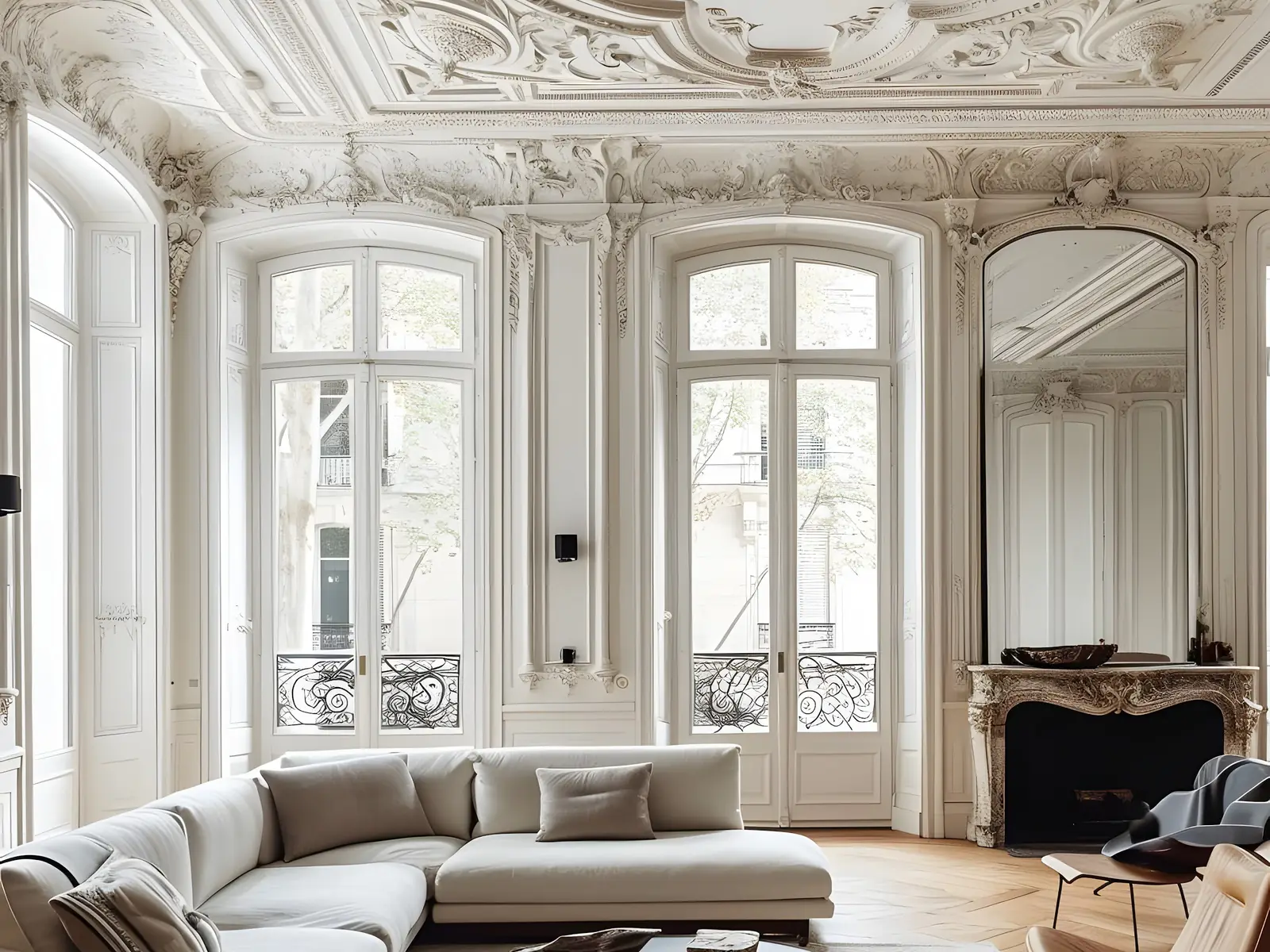
Avenue Montaigne, in the 8th arrondissement, is the most expensive street in Paris, with recorded prices running from 25,000 to 30,000 euros/sqm. Between haute couture houses, palace hotels (Plaza Athénée, Hôtel de la Trémoille) and art galleries, the buildings hold reception apartments of exceptional volume, with ceiling heights close to 4 metres.
The buyers here are more international: Middle Eastern families, American buyers, European fortunes. Transactions, only five to eight a year, frequently take place off-market. Home Select’s off-market search service gives access to these properties before they reach the market.
Rue Guynemer: how much does a square metre cost facing the Jardin du Luxembourg?
The leading address on the Left Bank, Rue Guynemer runs along the western edge of the Jardin du Luxembourg, in the 6th arrondissement, with recorded prices ranging from 22,000 to 28,000 euros/sqm depending on the floor. Apartments here look out over 25 hectares of greenery in the heart of Paris. The buildings, mostly 19th-century, offer generous volumes with ceiling heights over 3 metres.
The rarity of sales (fewer than five a year) keeps prices high. Buyers are often French families or wealth-minded buyers with a long horizon.
Place Saint-Sulpice: what is the price per sqm in the 6th arrondissement?
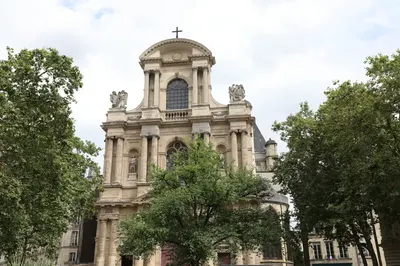
Prices range from 18,000 to 24,000 euros/sqm on Place Saint-Sulpice, in the 6th arrondissement. A few steps from the church of Saint-Sulpice and its Delacroix frescoes, the square offers a setting that is at once residential and lively, and the 17th and 18th-century buildings frame a tree-lined square with a monumental fountain.
The appeal of this address lies in its centrality without the noise of the major thoroughfares. Food shops, galleries and bookshops make it one of the most sought-after micro-neighbourhoods in Paris. Home Select’s team of property hunters regularly helps buyers looking for this kind of address.
Rue de Furstemberg: what is the price per sqm in Saint-Germain-des-Prés?
Prices range from 18,000 to 22,000 euros/sqm on Rue de Furstemberg, in the 6th arrondissement. Often called the most beautiful square in Paris, the Place de Furstemberg and its adjoining street draw lovers of old Paris, and the Delacroix Museum is here, in the painter’s former studio.
Properties here are rare and often small (studios and one-bedrooms), which pushes the price per square metre higher still. It is a prized address for a high-end pied-à-terre.
Rue des Saints-Pères and rue de l’Université: what is the price per sqm in the 7th?
These two parallel streets in the 7th arrondissement combine proximity to boulevard Saint-Germain, residential calm and remarkable architecture. Recorded prices range from 16,000 to 22,000 euros/sqm. 18th-century buildings sit alongside private mansions converted into exceptional apartments.
The 7th also hosts several ministries and embassies, which keeps the public spaces impeccably maintained and security tight.
Quai Anatole-France: how much does a square metre with a Seine view cost?
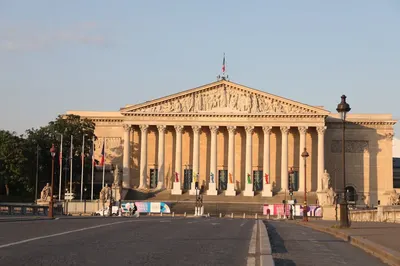
The Left Bank quays offer sweeping views of the Louvre and the Tuileries. Quai Anatole-France, between the Musée d’Orsay and the Assemblée Nationale, shows prices between 17,000 and 23,000 euros/sqm. Upper floors with open Seine views trade above 25,000 euros/sqm.
Rue de Varenne: what is the price per sqm around Matignon?
Rue de Varenne is home to the Hôtel Matignon (the Prime Minister’s residence), the Musée Rodin and several embassies. The rare apartments for sale reach 18,000 to 22,000 euros/sqm. The clientele is exclusively wealth-preserving, with holding periods often beyond 20 years.
Place Vendôme and rue de la Paix: what is the price per sqm in the 1st?
Place Vendôme, with its jewellers and the Ritz, is the most prestigious address on the Right Bank. The few residential apartments that exist there trade between 20,000 and 30,000 euros/sqm. Rue de la Paix, linking the square to the Opéra, shows comparable prices for its rare residential units.
Why do the most expensive streets in Paris stay so expensive?
Through scarcity: in these micro-markets, sometimes fewer than three properties sell a year, and it is this imbalance between strong demand and all-but-non-existent supply that holds prices at these levels. The common thread running through these streets is therefore not just price, it is scarcity.
For a buyer, reaching these addresses takes a network, quick reactions and deep market knowledge. This is exactly the role of a property hunter in Paris: spotting opportunities before they become public and steering the negotiation where every property is one of a kind.
Methodology
This ranking draws on DVF data (Demandes de Valeurs Foncières) from 2024-2025, the Île-de-France notarial databases, and transactions handled by Home Select since 2011. The prices shown are observed ranges, excluding atypical properties (terraces, duplexes with private gardens).
Are you considering a purchase at one of these addresses? Contact Home Select’s team for a bespoke search in the most sought-after neighbourhoods of Paris.
Sources
Frequently asked questions
01 What is the most expensive street in Paris in 2026?
Avenue Montaigne, in the 8th arrondissement, is the most expensive street in Paris at 25,000 to 30,000 euros/sqm, ahead of Quai d'Orleans on the Ile Saint-Louis (4th). On the Left Bank, Rue Guynemer (6th) leads at 22,000 to 28,000 euros/sqm, thanks to its direct views over the Jardin du Luxembourg.
02 What budget is needed to buy on the most expensive streets in Paris?
A 100 sqm apartment on the most expensive streets in Paris trades between 2 and 3.5 million euros depending on floor, view, and condition. Properties with a terrace or a monument view can reach 30,000 euros/sqm.
03 Are the most expensive streets all on the Left Bank?
No. While the Left Bank dominates (6th and 7th arrondissements), Avenue Montaigne in the 8th, Place Vendome in the 1st, and certain addresses in the 16th also rank among the most expensive. The Right Bank Triangle d'Or competes with Saint-Germain-des-Pres.
04 Why are some streets in Paris so expensive?
The most expensive streets in Paris combine several factors: exceptional architectural heritage, proximity to or a view of a monument or a garden such as the Luxembourg, and above all a structural scarcity of available properties. On some of these streets, there are fewer than five sales per year, which keeps prices high in a lasting way. The clientele, often French or international families, seeks long-term heritage properties. This combination of prestige and scarcity explains prices of 25,000 to 30,000 euros/m2 on the most sought-after addresses. Home Select, a property hunter in Paris, benchmarks every property against real sales in the DVF database (April 2026 release, Paris median 9,900 euros/sqm) rather than against asking prices.