

In brief
The 3rd arrondissement of Paris, the heart of the Haut-Marais, posts a median price of 12,200 euros/m² and an average price of 13,200 euros/m² in 2026 (DVF data, April 2026 vintage), between the 4th (13,000 euros median) and the 11th (10,000 euros median). Premium streets (Charlot, de Bretagne, des Archives north) exceed 14,000 euros/m², while the Temple / Arts-et-Métiers area stays between 11,500 and 12,500 euros/m². A scarcity market where off-market is the norm, the 3rd draws 30 to 40% international buyers. Home Select, a Paris property hunter since 2011 and member of the FCI, accesses off-market through its network, with a 6% average negotiation and 1,200+ buyers supported.
Key takeaways
- The 3rd arrondissement posts a median price of 12,200 euros/m² and an average price of 13,200 euros/m² in 2026, with premium Haut-Marais streets (Charlot, Bretagne) exceeding 14,000 euros/m²
- 30 to 40% of buyers in the 3rd are international, drawn by the unique blend of historic heritage and contemporary art galleries
- Off-market transactions are particularly prevalent in the 3rd, with many properties selling through property hunter networks without appearing online
- The 3rd is an arrondissement of small units: apartments above 60 m² are rare, making it unsuitable for most families
The 3rd arrondissement is not the 4th, and that is its strength. While the lower Marais buckles under tourists and cheap clothing shops, the Haut-Marais has chosen a different path: that of contemporary art, design and a sophisticated Parisian art de vivre that attracts a demanding international clientele.
What sets the Haut-Marais apart from the rest of the Marais?
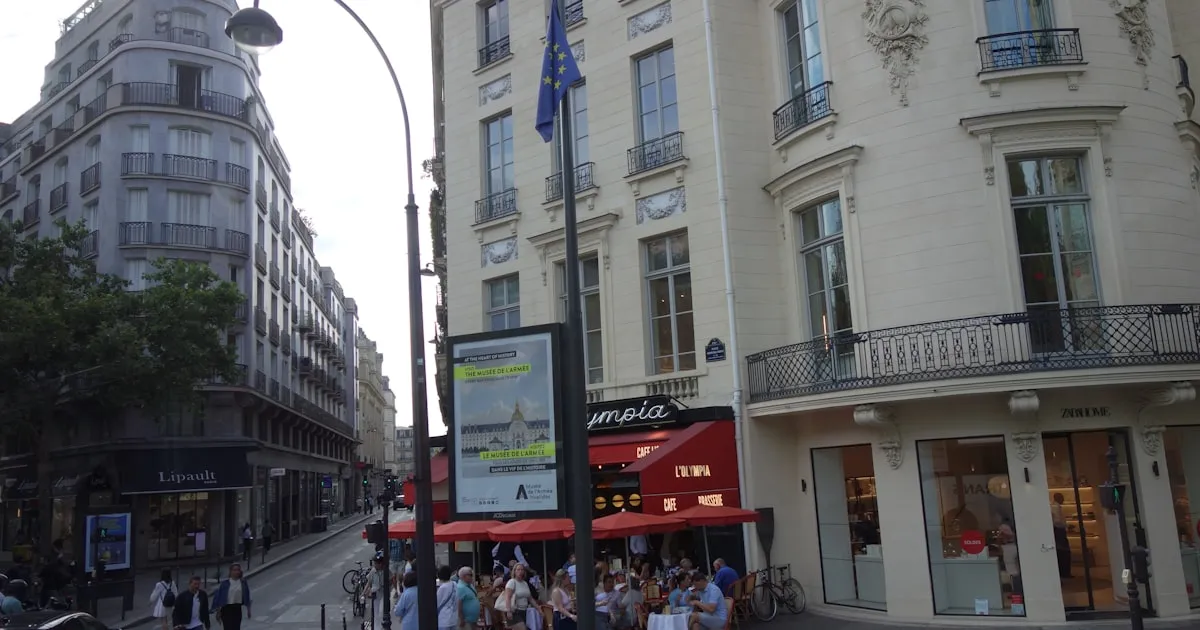
It begins north of rue des Francs-Bourgeois, where mass tourism stops: contemporary art galleries, concept stores and designer boutiques replace the tourist shops of the lower Marais. The area is more residential, quieter, and slightly cheaper than the neighbouring 4th: 12,200 euros/m² median against 13,000 euros.
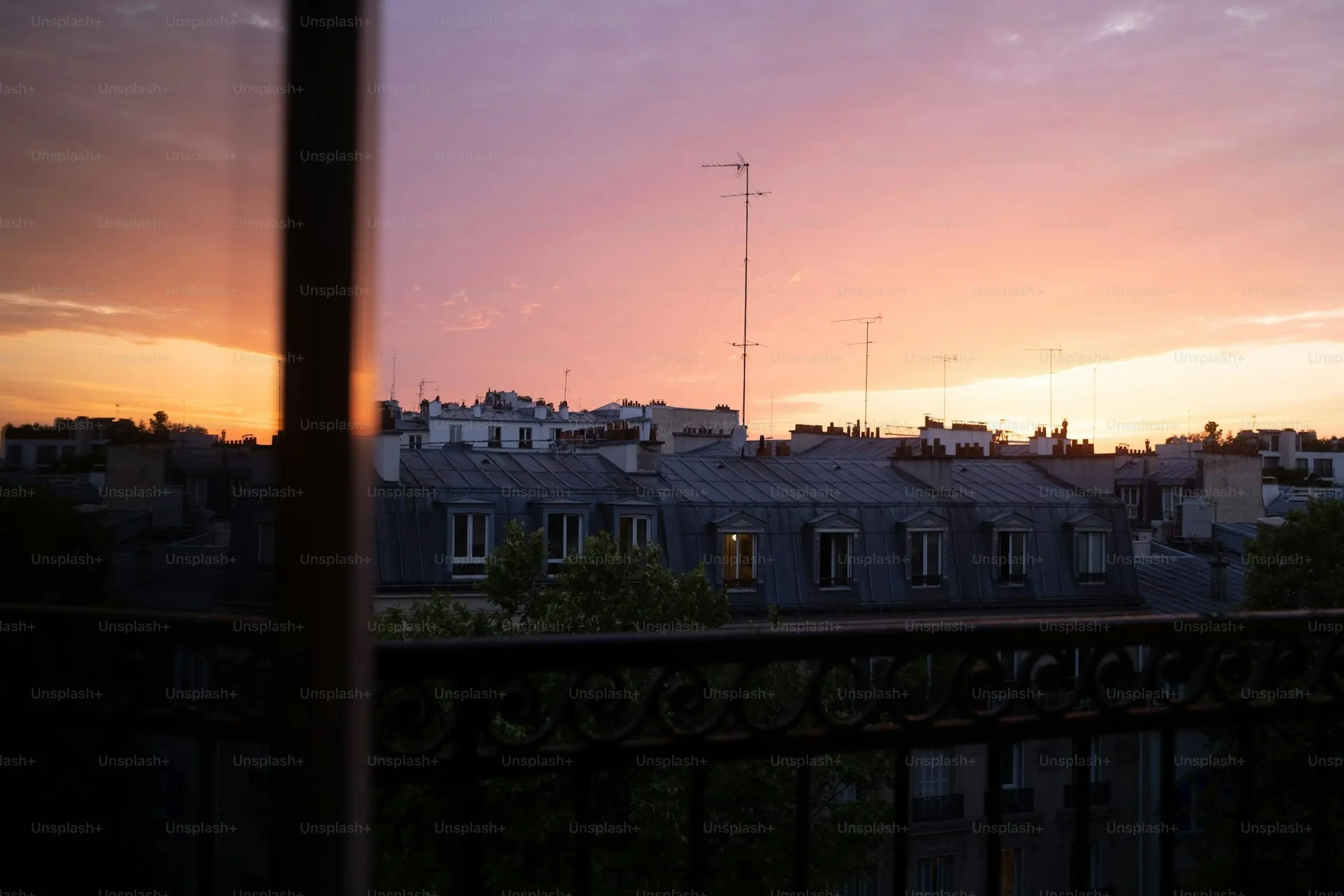
The Haut-Marais begins where mass tourism stops, roughly north of rue des Francs-Bourgeois. It is a neighbourhood of contemporary art galleries (rue de Turenne, rue Charlot, rue Vieille-du-Temple in its upper section), concept stores, restaurants where you eat well without kitsch decor, and designer boutiques that do not need flashy signage to exist.
Rue Charlot is the epicentre of the phenomenon. Over 300 metres, you pass more contemporary art galleries than in parts of Chelsea in New York. Rue de Bretagne, with its covered market (Marché des Enfants Rouges, the oldest covered market in Paris), adds the gourmet dimension. Rue de Turenne, wider and airier, offers a mix of shops and galleries that gives the neighbourhood its breathing room.
The Temple quarter, in the north of the 3rd, is the plainer counterpart to the Haut-Marais. Fewer galleries, more local retail, a more mixed population. The Square du Temple, with its lawns and children’s play areas, is the only notable green space in the area. The Carreau du Temple, restored as a cultural and sports centre, has modernised the neighbourhood’s image without erasing its working-class character.
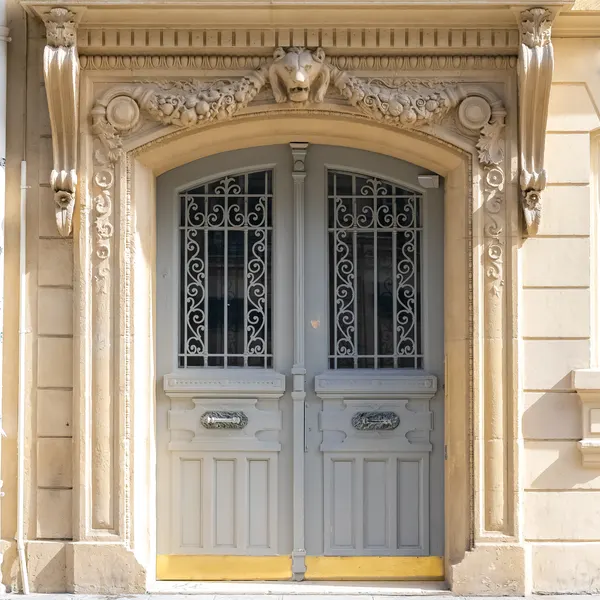
The architecture of the 3rd is a major asset. 17th-century townhouses converted into galleries or upscale apartments, timber-framed buildings, cobbled courtyards with artist studios: the built heritage is exceptional and protected. Buying in the 3rd means buying a piece of Parisian history.
What is the price per m² in the 3rd arrondissement in 2026?
The 3rd posts a median price of 12,200 euros/m² and an average price of 13,200 euros/m² in 2026 (DVF data, April 2026 vintage), up 2.2% over twelve months. That is 2,300 euros above the Paris median of 9,900 euros/m², and the sixth-highest median price in the capital, behind the 6th, the 7th, the 4th, the 1st and the 8th.
That median of 12,200 euros places the 3rd between the 4th (13,000 euros median) and the 11th (10,000 euros median). But these central values are misleading in an arrondissement this small and this varied.
Rue Charlot, rue de Bretagne, rue des Archives in its northern section: 14,000-15,000 euros/m². These are the premium addresses of the 3rd, driven by international demand and scarcity of stock. Apartments with exposed beams, terracotta tiles and views of a cobbled courtyard reach 16,000 euros/m² for the finest examples.
Rue de Turenne, rue du Temple, rue des Haudriettes: 12,500-13,500 euros/m². The market’s core, with a good balance between prestige and relative accessibility.
Temple / Arts-et-Métiers quarter: 11,500-12,500 euros/m². The most affordable sector of the 3rd, with sometimes less spectacular building stock but opportunities for informed buyers. This is where our property hunters find the best deals in the arrondissement.
In concrete budget terms: a studio of 25 m² in the Haut-Marais costs between 305,000 and 375,000 euros. A 2-room of 40 m² trades between 490,000 and 600,000 euros. A 3-room of 60 m², rare in this area, reaches 730,000-900,000 euros. Above 80 m², properties are exceptional and prices cease to follow standard market logic.
Who buys in the 3rd arrondissement?
A highly international clientele: at Home Select, 30 to 40% of our mandates in the 3rd involve foreign buyers, American, Scandinavian or British. Alongside them, art lovers with 800,000 euros and above for an upscale 2-room, and affluent creatives after atypical spaces.
The 3rd attracts a specific clientele not found in other central Paris arrondissements.
Art lovers and collectors are over-represented. They want to live at the heart of the Parisian art scene, walking distance from galleries and museums (Musée Picasso, Musée Carnavalet on the border of the 4th, Centre Pompidou 5 minutes away). Their budgets are often high (800,000 euros and above for an upscale 2-room), and their standards focus as much on the apartment’s character as on the address.
Foreigners, Americans, Scandinavians, British, represent a significant share of buyers in the 3rd. At Home Select, we estimate that 30 to 40% of our mandates in the 3rd involve international buyers, often seeking a Parisian pied-à-terre. They are drawn by the unique blend of history and contemporaneity that the Haut-Marais offers.
Affluent creatives, art directors, interior architects, designers, complete the picture. They seek the atypical space: the loft beneath a glass canopy, the studio with mezzanine, the apartment with beams and terracotta tiles on the top floor of a townhouse.
Families, on the other hand, are rare in the 3rd. Floor areas are too small, schools too few, and the green space offering insufficient for comfortable family daily life.
What are the strengths of the 3rd arrondissement?
Total centrality: four metro lines, Châtelet 5 minutes away, Opéra 10, Gare du Nord 15. Add a density of galleries and museums with no equal in Paris, the Marché des Enfants Rouges and four centuries of protected built heritage.
Centrality is total. Metro lines 3, 4, 8 and 11 serve the 3rd, with Arts-et-Métiers station as the main hub. You are at Châtelet in 5 minutes, at Opéra in 10, at Gare du Nord in 15. It is one of the best-connected arrondissements in Paris.
Cultural life is exceptional. The Musée Picasso, the Musée des Arts et Métiers, the Carreau du Temple, dozens of contemporary art galleries: the 3rd is a neighbourhood where culture is not an event but a daily given.
The Marché des Enfants Rouges (rue de Bretagne) is a treasure. The oldest covered market in Paris (1615) now offers a mix of gourmet food stalls, Japanese, Moroccan, Lebanese, Italian, in a lively, sociable atmosphere. It is the neighbourhood’s weekend meeting point.
The architecture is an open-air museum. The streets of the 3rd preserve an exceptional heritage: listed townhouses, cobbled courtyards, covered passages, stone staircases. Each building tells four centuries of Parisian history.
Find out how Home Select can help you
What are the drawbacks of buying in the 3rd?
Small floor areas above all: above 60 m² properties are rare, above 80 m² exceptional. Three other constraints weigh in: historic co-ownerships that are costly to maintain, a Marché des Enfants Rouges saturated at weekends, and a single notable green space, the Square du Temple.
Small floor areas are the rule. The 3rd is an arrondissement of studios and 2-rooms. Apartments of 60 m² and above are rare, those of 80 m²+ exceptional. If you are looking for a family apartment, this is not the most suitable arrondissement.
Co-ownerships are often complex. The historic Marais buildings, some from the 17th century, pose specific structural issues: wooden beams, load-bearing walls difficult to modify, narrow staircases, no elevator. Co-ownership work (facade renovation, compliance upgrades) can be very costly in buildings that are listed or registered as historic monuments.
The Marché des Enfants Rouges is a victim of its own success. At weekends, the queue to get in can reach 20 minutes, and the interior is packed. What is charming for a tourist becomes irritating for a resident who simply wants to do their shopping.
The lack of green spaces is real. The Square du Temple is the only notable park, and it is small. For families with children, it is insufficient: you need to go as far as the Jardin des Tuileries or the Parc des Buttes-Chaumont to find real outdoor play spaces.
How is the market in the 3rd arrondissement evolving?
It is a scarcity market where stock stays structurally low and off-market weighs heavily. The median price is up 2.2% over twelve months, after a correction from 12,700 to 11,900 euros/m² between 2022 and 2024, one of the mildest in Paris.
The 3rd is a market of absolute scarcity. The stock of properties for sale is structurally low (many long-term owners), and each listing generates intense competition among buyers. It is an arrondissement where off-market represents a significant share of transactions: sellers favour discretion, and property hunters with a local network access properties invisible on the portals.
The underlying trend has been upward for 15 years, with occasional corrections kept in check: the latest, between 2022 and 2024, took the median from 12,700 to 11,900 euros/m², a 6% fall, before a return to 12,200 euros. The 3rd is a conviction-based heritage investment, comparable to a neighbourhood in Soho in London or Tribeca in New York. International demand supports prices and limits volatility.
Should you buy in the 3rd arrondissement?
Yes if you are buying the neighbourhood before the value for money: at 12,200 euros/m² median against 9,900 for Paris, the 3rd is a conviction investment, not a bargain. The property hunter’s role is decisive here, because a significant share of the stock never reaches the portals.
The 3rd is an arrondissement of passion. You buy here because you love the neighbourhood, the art, the architecture, the atmosphere, not because you are looking for good value for money. It is a market where our role as property hunters is decisive: access to off-market properties, knowledge of co-ownerships, the ability to identify the rare properties that combine character and livability.
Since 2011, Home Select has helped many buyers in the 3rd, with particular attention to the quirks of historic building stock and co-ownership issues. Our 96% satisfaction rate in this area comes down to one thing: we do not sell dreams, we sell field knowledge.
To discover the other side of the Marais, read our guide to the Marais. Our article on the 4th arrondissement and Île Saint-Louis completes the picture. And for an overview of the most beautiful neighbourhoods in Paris, consult our ranking.
Sources
Frequently asked questions
01 What is the average price per m² in the 3rd arrondissement in 2026?
The 3rd posts a median price of 12,200 euros/m² and an average price of 13,200 euros/m² in 2026 (DVF data). The most sought-after streets of the Haut-Marais (Charlot, de Bretagne, de Turenne) exceed 14,000 euros/m². The Temple area, further north, remains between 11,500 and 12,500 euros.
02 What is the difference between the Haut-Marais (3rd) and the lower Marais (4th)?
The Haut-Marais is quieter, more contemporary in its cultural offerings (art galleries, concept stores), and less touristy than the 4th. Prices are slightly lower, and the atmosphere more residential. The 4th is more historic, more touristy and more expensive.
03 Is the 3rd suitable for families?
With difficulty. The 3rd is an arrondissement of small units (studios and 2-rooms dominate), with few schools and a housing stock that does not favour large family apartments. It is an ideal neighbourhood for couples without children and affluent singles.
04 Can you find off-market properties in the 3rd?
The 3rd is one of the arrondissements where off-market activity is most prevalent. Marais property owners favour discretion, and many properties sell through the property hunter network without ever appearing online. This is a decisive advantage of using a professional.