

In brief
Investing in a cellar in Paris in 2026 offers a gross rental yield of 6 to 10%, two to three times higher than an apartment, for a modest entry ticket of 15,000 to 50,000 euros. Cellars trade between 1,500 and 4,000 euros/m² depending on the arrondissement, and the 11th, 12th, 18th and 19th offer the best yields (8 to 10%) thanks to moderate acquisition prices. Conversion to housing is virtually impossible, but use as storage or a secure unit remains profitable. Home Select, a Paris property hunter since 2011 with 16 buying agents and 1,200+ buyers supported, identifies these off-market opportunities through its networks of building managers and co-ownerships.
Key takeaways
- Parisian cellars trade between 1,500 and 4,000 euros/m² with gross rental yields of 6-10%, two to three times higher than residential
- A 10 m² cellar in good condition costs 20,000-30,000 euros and can rent for 150-200 euros/month as storage
- Converting a cellar into a professional storage unit costs 5,000-12,000 euros and pays for itself in three to eight years
- Co-ownership rules govern cellar use and any change of use requires a vote at the general meeting
Investing in a cellar in Paris represents a high-yield property niche. In 2026, Parisian cellars trade between 1,500 and 4,000 euros/m² depending on the arrondissement, with a gross rental yield of 6 to 10%, two to three times higher than a standard apartment. The modest entry price, often between 15,000 and 50,000 euros, makes it an accessible investment.
Introduction
In a city where residential space regularly exceeds 10,000 euros/m², Parisian cellars represent an overlooked but profitable segment of the property market. Demand for storage is constantly growing in Paris: cramped apartments, absence of garages, need from professionals and individuals for additional space. This tension between limited supply and growing demand sustains returns.
At Home Select, our property hunters regularly identify cellars during their searches for standard mandates. This guide details the parameters of this atypical investment: price, yield, possible conversion and pitfalls to avoid.
Table of contents
- How much does a cellar cost in Paris in 2026?
- What rental yield can you expect from a cellar?
- Should you convert your cellar into a storage unit?
- What rules govern the use of a cellar?
- Which arrondissements deliver the best yield?
- How do you buy a cellar in Paris?
How much does a cellar cost in Paris in 2026?
A Parisian cellar trades between 1,500 and 4,000 euros/m² in 2026, for an average of around 2,500 euros/m². Central arrondissements (1st to 6th) sit at the top of the range, at 3,000-4,000 euros/m² for a quality cellar (vaulted, dry, accessible), while peripheral arrondissements (13th, 18th, 19th, 20th) drop to 1,500-2,000 euros/m².
The Parisian cellar market is a micro-market with low liquidity but strong dynamics. Transactions are rare because owners hold these profitable assets for a long time, which keeps prices trending upward.
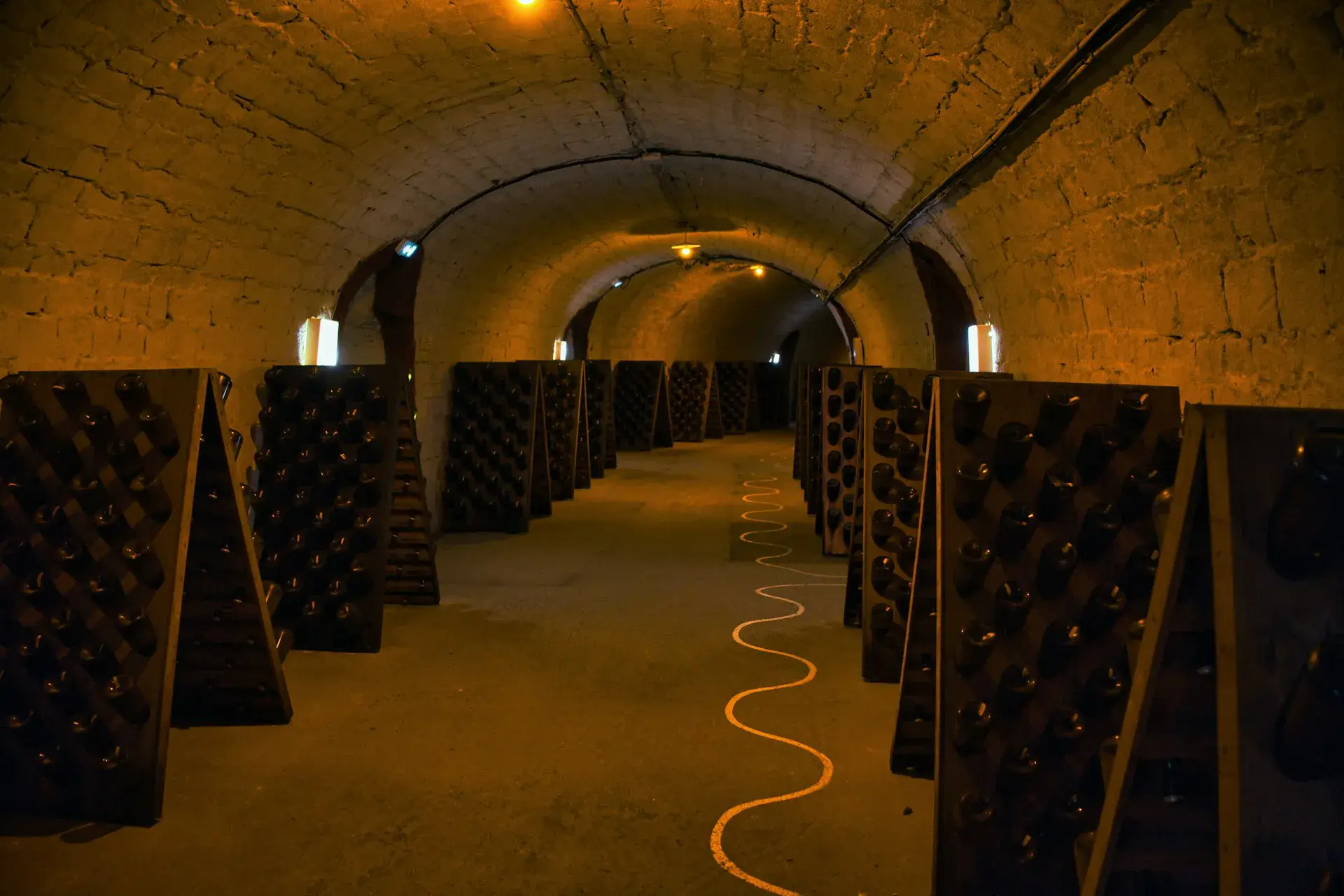
The valuation criteria are specific: accessibility (wide staircase, few basement levels), humidity level (dry cellar versus damp cellar), ceiling height (minimum 1.80 m for storage, 2.20 m for professional use), and security (reinforced door, locking system). A 10 m² cellar in good condition in the 11th arrondissement sells for between 20,000 and 30,000 euros.
The modest entry price, often under 50,000 euros, makes this investment accessible to a variety of profiles, including first-time investors looking to build their portfolio progressively.
What rental yield can you expect from a cellar in Paris?
The gross rental yield of a Parisian cellar sits between 6 and 10% in 2026, two to three times that of an apartment. A 10 m² cellar bought for 25,000 euros and rented at 150 to 200 euros per month as storage returns 7.2 to 9.6% gross.
This is the main attraction of cellar investment: a gross yield significantly higher than Parisian residential property.
In simple rental (private storage), a 10 m² cellar rents for between 150 and 200 euros per month depending on location and condition. For a purchase price of 25,000 euros, this represents a gross yield of 7.2 to 9.6%. As a fitted storage unit (partitions, lighting, ventilation), rents rise to 200-350 euros for equivalent surfaces, pushing the yield beyond 10% in the most favourable cases.
Holding costs are low: no residence tax for a cellar (unless it is attached to a dwelling), modest property tax (often under 100 euros per year), and limited co-ownership charges. Our co-ownership charges guide details the charge distribution by unit type.
The net after-tax yield depends on the chosen tax regime. Cellar rental income falls under property income (unfurnished rental) or BIC (furnished/equipped rental). Under the micro-foncier regime (income under 15,000 euros), a flat 30% deduction applies. Under the real-cost regime, deductible expenses (works, loan interest, property tax) can significantly optimise the tax position.
Should you convert your cellar into a storage unit?
In most cases yes: fitting out a secure storage unit lifts the rent of a cellar from 120 to 250 euros per month, for a works budget of 5,000 to 12,000 euros on 15 m². The operation pays for itself in three to eight years, then improves the yield for good.
Converting a cellar into a professional storage unit is the most profitable strategy. It consists of fitting out the space to meet tenant expectations: cleanliness, security, accessibility.
Common works include: anti-moisture treatment (tanking or drainage, 200 to 500 euros/m²), electrical installation (lighting, outlet, 1,000 to 2,000 euros), mechanical ventilation (500 to 1,500 euros), optional partitioning to create multiple units (150 to 300 euros/m²), and installation of a secure door (500 to 1,500 euros).
For a 15 m² cellar, the works budget ranges between 5,000 and 12,000 euros depending on the initial condition. A basic cellar rented at 120 euros/month can reach 250 euros/month once fitted out as a secure storage unit, an extra 1,560 euros of rent per year: the investment therefore pays for itself in three years at best, in eight years where the works are heavy.
Some investors group several cellars in the same building to create a mini co-storage space. This approach pools fit-out and management costs, and can achieve gross yields above 10%.
What rules govern buying and using a cellar in Paris?
A cellar is a separate private unit whose use is set by the co-ownership rules, and any significant change of use requires a vote at the general meeting. Conversion into habitable space, however, is virtually impossible in Paris: cellars do not meet decency criteria.
The purchase and operation of a cellar in Paris is governed by several regulations that must be mastered.
In co-ownership, the cellar constitutes a separate private unit. Its use is defined by the co-ownership rules: personal storage, rental to a third party, or professional use. Any significant change of use (conversion to commercial premises, for example) requires a vote at the general meeting, generally at absolute majority (article 26 of the law of July 10, 1965). Before any acquisition, a careful reading of the co-ownership rules is essential: a reflex our property hunters apply systematically.
In planning law, converting a cellar into habitable space is virtually impossible in Paris. Cellars do not meet decency criteria (height, ventilation, natural light), and planning departments systematically refuse applications for change of use to residential. On the other hand, use for storage or as artisanal premises is generally compatible, subject to safety standards.
In tax terms, a cellar sold separately from a dwelling carries the standard acquisition costs for older property, namely 7 to 8% of the price, of which around 5.81% is transfer duty. If the cellar is attached to a main unit (apartment), it benefits from the same tax regime as the dwelling.
Which arrondissements deliver the best yield for a cellar?
The 11th and 12th arrondissements deliver the best gross yields, 8 to 10%, combining purchase prices of 2,000 to 2,500 euros/m² with strong storage demand. The 18th and 19th, the cheapest to buy into (1,500 to 2,000 euros/m²), often exceed 9%, while central arrondissements cap out at 5-7%.
Cellar profitability depends on the ratio between purchase price and achievable rents. Certain arrondissements offer a better balance than the most expensive areas.
The 11th arrondissement and the 12th arrondissement combine moderate purchase prices (2,000-2,500 euros/m²) and strong storage demand linked to population density and the small size of dwellings. Gross yields regularly reach 8 to 10%.
The 18th arrondissement and the 19th arrondissement offer the lowest entry prices (1,500-2,000 euros/m²) with sustained demand, particularly from professionals (artisans, shopkeepers, self-employed workers). Gross yields often exceed 9%.
In central arrondissements (3rd, 6th), high prices (3,000-4,000 euros/m²) compress yields (5-7%), but the scarcity of supply and the quality of tenants (collectors, gallery owners, professionals) secure the income.
How do you buy a cellar in Paris?
A cellar is rarely bought from a listing: the best opportunities come from direct sales between co-owners, estates and units separated during building sell-offs. Off-market access, through property managers and co-ownerships, is therefore decisive on this illiquid micro-market.
Buying a cellar in Paris can be done through several channels. Standard listings cover part of the market, but the best opportunities often come from direct sales between co-owners, estates or units separated during building sell-offs.
Access to the off-market is a significant advantage for this type of investment. Our property hunters maintain networks within property management companies and co-ownerships that let us identify available cellars before they reach the public market.
Before purchase, check: the co-ownership rules (authorised use), the physical condition of the cellar (humidity, accessibility), the co-ownership charges attached to the unit, and any potential easements (right of way, pipework). Consulting the co-ownership summary sheet provides a first level of information on the building’s financial health.
Financing can be challenging: banks are more reluctant to fund isolated cellar purchases. A personal deposit or an integrated financing arrangement that includes a main unit facilitates the negotiation. Our 2026 mortgage guide details current financing conditions.
Looking to invest in a cellar or storage unit in Paris? Our property hunters identify off-market opportunities and analyse profitability before making any proposal. Contact Home Select to explore this niche.
Sources
Frequently asked questions
01 What is the average price of a cellar in Paris in 2026?
The price of a cellar in Paris ranges from 1,500 to 4,000 euros/m² depending on the arrondissement, condition and accessibility. In central arrondissements (1st to 6th), prices reach 3,000 to 4,000 euros/m². In outer areas (13th, 19th, 20th), expect 1,500 to 2,000 euros/m².
02 Can a Parisian cellar be converted into commercial premises or housing?
Conversion to commercial premises is possible under strict conditions: co-ownership authorisation, compliance with planning rules and adherence to ERP (public access) standards if open to the public. Conversion to housing, however, is virtually impossible in Paris, as cellars do not meet decency and minimum surface area criteria.
03 What rental yield can you expect from a cellar in Paris?
The gross rental yield of a cellar in Paris ranges between 6 and 10% in 2026, well above the 2 to 4% of a standard apartment. A 10 m² cellar purchased for 25,000 euros can rent for 150 to 200 euros per month in storage, representing a gross yield of 7.2 to 9.6%.
04 Which Paris arrondissements offer the best yields for a cellar?
The 11th and 12th arrondissements combine moderate acquisition prices (2,000 to 2,500 euros/m²) and strong storage demand, with a gross yield of 8 to 10%. The 18th and 19th offer the lowest entry prices (1,500 to 2,000 euros/m²) and sustained demand, notably from artisans and the self-employed, with yields often exceeding 9%. In the central arrondissements (3rd, 6th), high prices (3,000 to 4,000 euros/m²) compress the yield to 5-7%, but the scarcity of supply secures the income.