|
|
Home Select
The Sunday
Notebook
No. 21 · Sunday 11 October 2026
|
||||||||||||||||||
|
||||||||||||||||||
|
01 · The editorial
Rue Charlot on a weekday morning, on the 3rd side: independent shops, galleries, a café, and the Marché des Enfants-Rouges a few steps away, on rue de Bretagne. Cross rue des Francs-Bourgeois, you step into the 4th, and the stone changes century without the rule itself changing nature. What most buyers overlook is that they are not buying on rue Charlot or rue Saint-Paul: they are buying within a 126-hectare perimeter where a particular planning document, the Plan de sauvegarde et de mise en valeur, stands in for the Paris Plan local d'urbanisme, in a version approved at the end of 2013. That administrative detail weighs heavily when the time comes to renovate. This issue tells the Marais as one walks it, from the Haut-Marais to the place des Vosges, and as Home Select reads it before an offer. Two readings of the same neighbourhood that, taken together, spare the regret. |
||||||||||||||||||
|
||||||||||||||||||
|
|
||||||||||||||||||
|
02 · Article of the week
The Marais, Paris's first protected district: what one really buys
Marais · Protected district · 6 min read
|
||||||||||||||||||
|
||||||||||||||||||
|
||||||||||||||||||
|
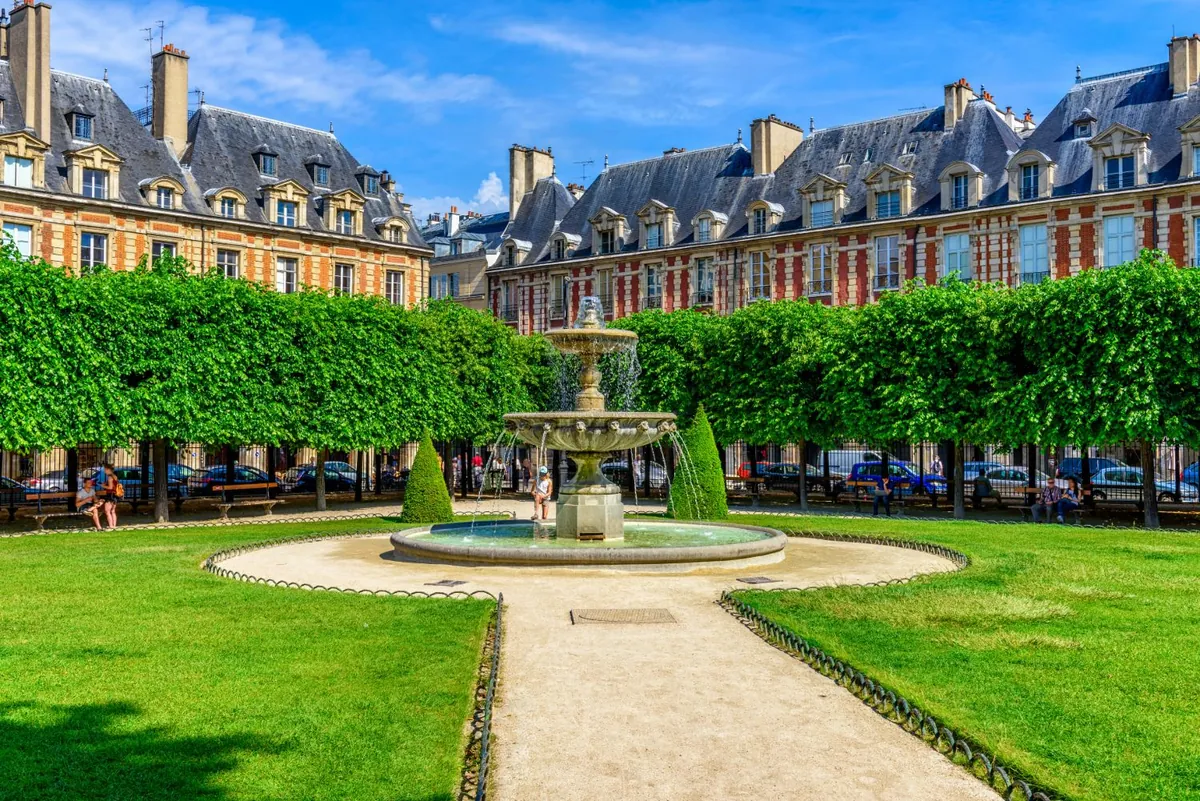
One thinks one is buying in the 3rd or the 4th. In reality one is buying within 126 hectares governed by a planning document of its own, which replaces the Paris PLU and reshapes what can be done with the property after signing. The story begins on 21 December 1964. André Malraux, then Minister of Cultural Affairs, and Jacques Maziol, Minister of Construction, sign the order making the Marais Paris's first protected district, pursuant to the Act of 4 August 1962. The definition is broad: an urban area subject to particular rules by reason of its historical or aesthetic character, justifying the conservation, restoration and enhancement of all or part of a group of buildings. In Paris, only two perimeters have been designated by the State: the Marais in 1964 and the 7th arrondissement in 1972. The next step, less well known, carries just as much weight. The Plan de sauvegarde et de mise en valeur of the Marais, in its revised form, was approved by order of the Prefect of the Île-de-France region on 18 December 2013. It stands in for the Plan local d'urbanisme within its perimeter and replaces the Paris PLU across the neighbourhood's 126 hectares. For the buyer, the rule applying to their building is not the one their architect reads on the rest of Paris: it is written to protect the stone before the plans of its occupants. Two practical consequences, worth knowing before signing. The Architecte des Bâtiments de France first holds a power of veto: without a favourable opinion, the planning authorisation cannot be granted. That involvement then lengthens processing times: two months for a déclaration préalable instead of one, and more for a permis de construire. A works schedule that ignores this lag will, mechanically, find itself caught short. The rule also protects what cannot be seen from the street. Since the decree of 29 March 2017, a prior declaration is required for any works altering the architectural and decorative features of buildings protected by a PSMV. A period staircase marked on the plan, a painted ceiling, a run of panelling, an original fireplace may each be subject to prescriptions. In the Marais, such features abound: the neighbourhood, away from the great thoroughfares, was largely spared the Haussmannian transformations and has kept its original plot pattern. A detour via the place des Vosges helps one see what the rule means to protect. A royal square ordered by Henri IV in 1605 and completed in 1612, the oldest planned square in Paris straddles the 3rd and the 4th. Around it, the hôtels particuliers of the 17th and 18th centuries were often transformed in the 19th: apartments divided up, courtyards cluttered with artisan workshops, the neighbourhood's sociology tilted towards working people. Many of the properties bought today are fragments of larger ensembles, and their plan, their layout, their ceiling heights carry the trace of those divisions. The market, for its part, reads in the sales. In 2025, according to DVF data, the median apartment price reached €12,200/m² in the 3rd and €13,000/m² in the 4th, across 782 and 607 sales. Yet the median says little about a given address: one sale in ten closed below €8,600/m² in the 3rd and below €8,900/m² in the 4th, while the most expensive tenth exceeds €17,600/m² in the 3rd and €19,600/m² in the 4th. Between those bounds, the price per square metre more than doubles: the floor, the light, the condition and the exact address weigh more than the arrondissement. The stock is old and made of small units: 49 m² on average for an apartment sold in the 3rd, 55 m² in the 4th. According to INSEE, 62% of dwellings in the 3rd have one or two rooms, 57% in the 4th, and 87% and 90% respectively were built before 1971. Large family apartments, rare, are often tucked inside divided hôtels particuliers. A common scenario in the neighbourhood shows what this changes. A buyer falls for a second-floor flat on the 4th side, three rooms in enfilade, and for a period interior staircase they imagine moving to open up the volume. If that staircase is marked on the plan among the building's protected features, the Architecte des Bâtiments de France is very likely to refuse any change to it. Read before the offer, the safeguarding plan lets the buyer rethink the project around another layout, fit the works schedule to the real timelines and sign knowingly, rather than discovering the constraint six months later. One last point to bear in mind: the rule itself is set to change. On 10 April 2025, the Conseil de Paris asked the State to launch the revision of the safeguarding plans for the Marais and the 7th: buying in the Marais also means following that process. |
||||||||||||||||||
|
The Marais in DVF figures: apartments sold in 2025
|
||||||||||||||||||
|
||||||||||||||||||
|
||||||||||||||||||
|
||||||||||||||||||
|
||||||||||||||||||
|
03 · Buyer's advice
Have the PSMV read on the plot before signing the offerThe trap is well known: the volume of an hôtel particulier, a period staircase, a run of rooms in enfilade, and a design project that collapses once the compromis is signed. In the Marais, the 126 hectares of the protected district are governed by a PSMV that allows prescriptions on the interior of buildings listed for their interior qualities: staircases, panelling, painted ceilings, fireplaces. The ABF's opinion is binding, that is to say decisive. The right sequence rests on three moves, in this order. First, consult the safeguarding plan for the building in question, published by the Ville de Paris with its planning rules: its legend shows what is protected, from façades to courtyards and, for some buildings, right through to the interiors. Then have the project costed by an architect familiar with the protected district, who will know what the ABF accepts in practice and what it refuses. Finally, calibrate your works schedule on the real timelines: two months of processing for a déclaration préalable, more for a permis de construire, to which any exchanges with the ABF must be added. This upstream work changes two things in the decision. It opens negotiation on a property whose dream project is legally impossible, by anchoring it to realistic works. Above all, it averts the reverse scenario, the most costly: signing on a projection, discovering the constraint afterwards, selling at a loss two years later. |
||||||||||||||||||
|
||||||||||||||||||
|
||||||||||||||||||
|
See you next Sunday.
In the meantime, if a project is taking shape, Home Select remains at your disposal for an initial conversation: its hunters assess your brief against the market and deliver an unvarnished reading.
|

|
Home Select
Property hunters since 2011
|
|||||
|
|||||
|
60 rue François 1er, 75008 Paris · 01 78 76 78 10 Member of the Federation of Property Hunters (FCI) |
|||||
|
|
|||||
|
You are receiving this email because you shared your contact details with Home Select as part of a property project or an information request. Under the General Data Protection Regulation (GDPR), you have rights of access, rectification, erasure, objection, portability and restriction over the data concerning you. To exercise these rights, write to contact@homeselect.paris.
Data controller: Jean Mascla, Home Select, 60 rue François 1er, 75008 Paris. Your data is kept for three years after our last contact, then deleted. In case of disagreement, you may lodge a complaint with the CNIL (www.cnil.fr). |
|||||
|
© 2026 Home Select. All rights reserved.
|