
In brief
The Golden Triangle is the area of the 8th arrondissement of Paris formed by Avenue Montaigne, Avenue George V and the Champs-Elysees, extended by Rue du Faubourg Saint-Honore. The top decile of the 8th's transactions stands at €20,600 per sqm against a median of €12,000 (DVF, 12 months to end of June 2026), on about 72 prime sales a year. Home Select, a Paris buying agent since 2011, supports its buyers there with 16 property hunters and a 4.8/5 rating on Google.
Key takeaways
- The Golden Triangle is the area formed by Avenue Montaigne, Avenue George V and the Champs-Elysees, extended by Rue du Faubourg Saint-Honore
- The 8th arrondissement's top decile stands at €20,600 per sqm against a median of €12,000: the widest relative gap in Paris
- About 72 sales a year clear that threshold in the 8th, roughly one per working week
- It is the only Paris market whose demand is global rather than French, which leaves it largely detached from French credit cycles
- Negotiation here bears on terms, rarely on the asking price when the property is genuinely rare
- Home Select, a property hunter in Paris since 2011, covers the 20 arrondissements and 68 Ile-de-France municipalities with 16 hunters.
Introduction
The Golden Triangle is the area formed by Avenue Montaigne, Avenue George V and the Champs-Elysees, in the 8th arrondissement. Usage also attaches Rue du Faubourg Saint-Honore and Avenue Matignon, which extend the same market eastwards.
It is the only Paris district whose demand is global rather than French. That single fact explains most of the rest: the price level, the limited room to negotiate, the share of sales that never reach a listing, and the fact that the market here tracks French mortgage cycles only loosely.
Contents
- The exact perimeter, and what gets wrongly filed under it
- Price: a gap from the local market, not an absolute figure
- A market of 72 sales a year
- What you actually find there
- What can be negotiated, and what cannot
- Why some sales never surface
The exact perimeter, and what gets wrongly filed under it
The Golden Triangle in the strict sense covers the three avenues that draw it and the inner streets linking them: Rue Francois 1er, Rue Marbeuf, Rue de Marignan, Rue Clement-Marot, Rue Pierre Charron.
Two extensions are legitimate. Rue du Faubourg Saint-Honore, first, which shares the same clientele and price level along the stretch between Rue Royale and Place des Ternes. Avenue Matignon and the Rond-Point des Champs-Elysees, second, whose buildings belong to the same market.
Two confusions recur, however. Parc Monceau, to the north of the same arrondissement, is a residential, family-oriented area: same arrondissement, different market, different buyer. And Place Vendome, which belongs to the 1st arrondissement and follows a logic of heritage centrality rather than international shop-window.
This is not a cosmetic distinction. A seller advertising a “Golden Triangle” property from Rue de Courcelles is selling a location that is not one, at a price that assumes it is.
Price: a gap from the local market, not an absolute figure
The 8th arrondissement shows a median price of €12,000 per sqm and a top decile of €20,600 over the 12 months to end of June 2026 (French DVF database, DGFiP). The top decile is the threshold above which the most expensive 10% of the arrondissement’s sales take place.
It is the gap between those two figures that defines the area, and it is the widest in Paris in relative terms. Prime pricing here is about 1.7 times the ordinary price, whereas in the 6th the gap is tighter, because the ordinary market there is already expensive.
The reason lies in what the arrondissement contains. The 8th mixes office buildings, unremarkable secondary streets and a few hundred exceptional addresses. The average describes no real property. Only the decile says anything about the segment, and the best Golden Triangle addresses trade well above it.
The full ten-arrondissement grid sits on Home Select’s buying a luxury apartment in Paris page, and the comparison between districts in the guide to Paris luxury neighborhoods area by area.
A market of 72 sales a year
Of the 720 annual transactions in the 8th arrondissement, about 72 clear the top decile. That is roughly one prime sale per working week, for the whole arrondissement.
The figure is worth pausing on, because it dictates the method. At that level of scarcity, a buyer watching the portals is not watching much: they are waiting for a rare event, and they learn of it at the same time as everyone else, which is to say too late. The challenge is not to sift supply, it is to be told before it exists publicly.
It also makes comparables hard to establish. In a district where a few dozen sales happen a year, two genuinely comparable properties can be months apart, and the price gap between them then says nothing about the market, only about the quality of the two properties.
What you actually find there
Three families dominate.
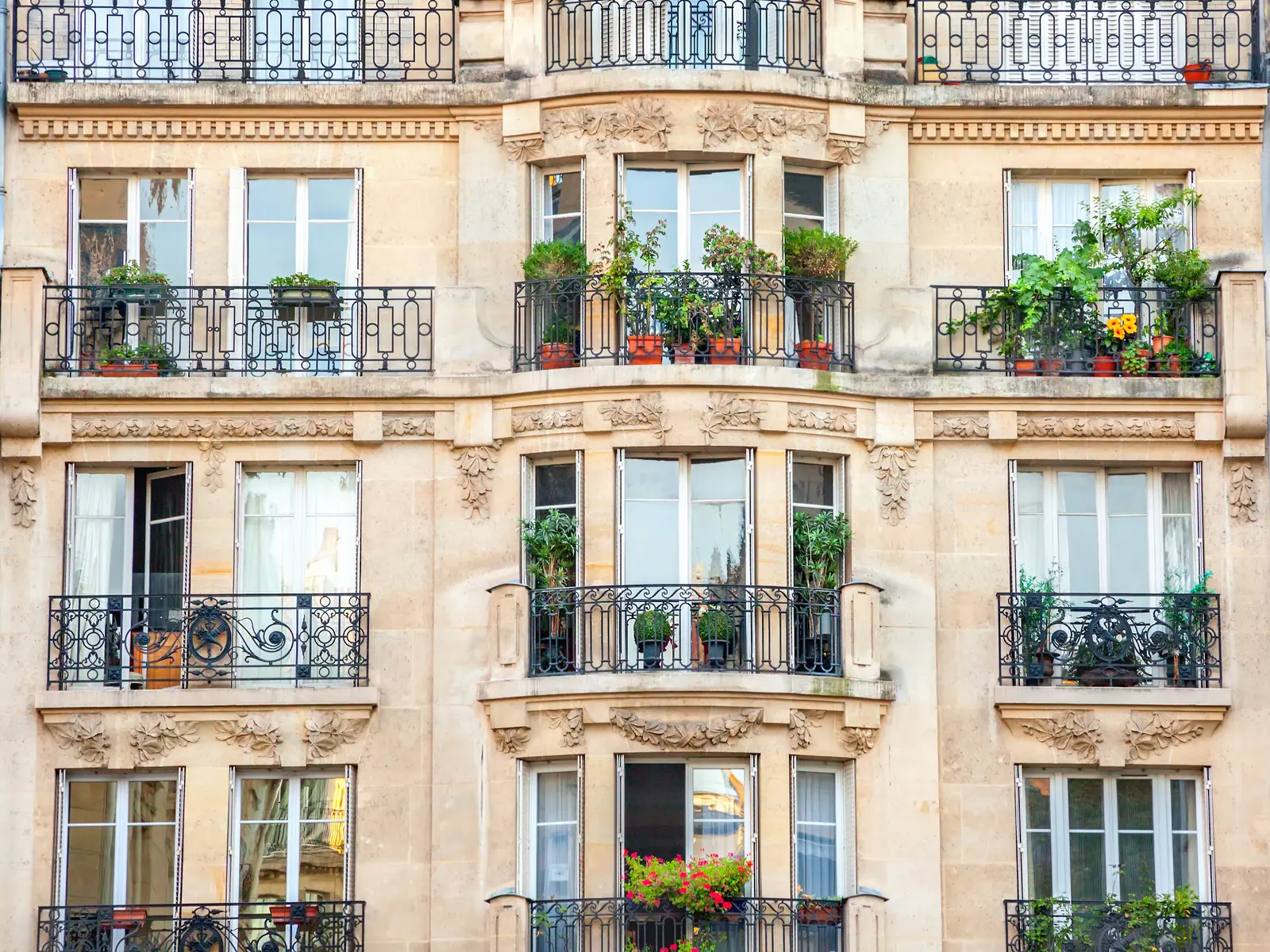
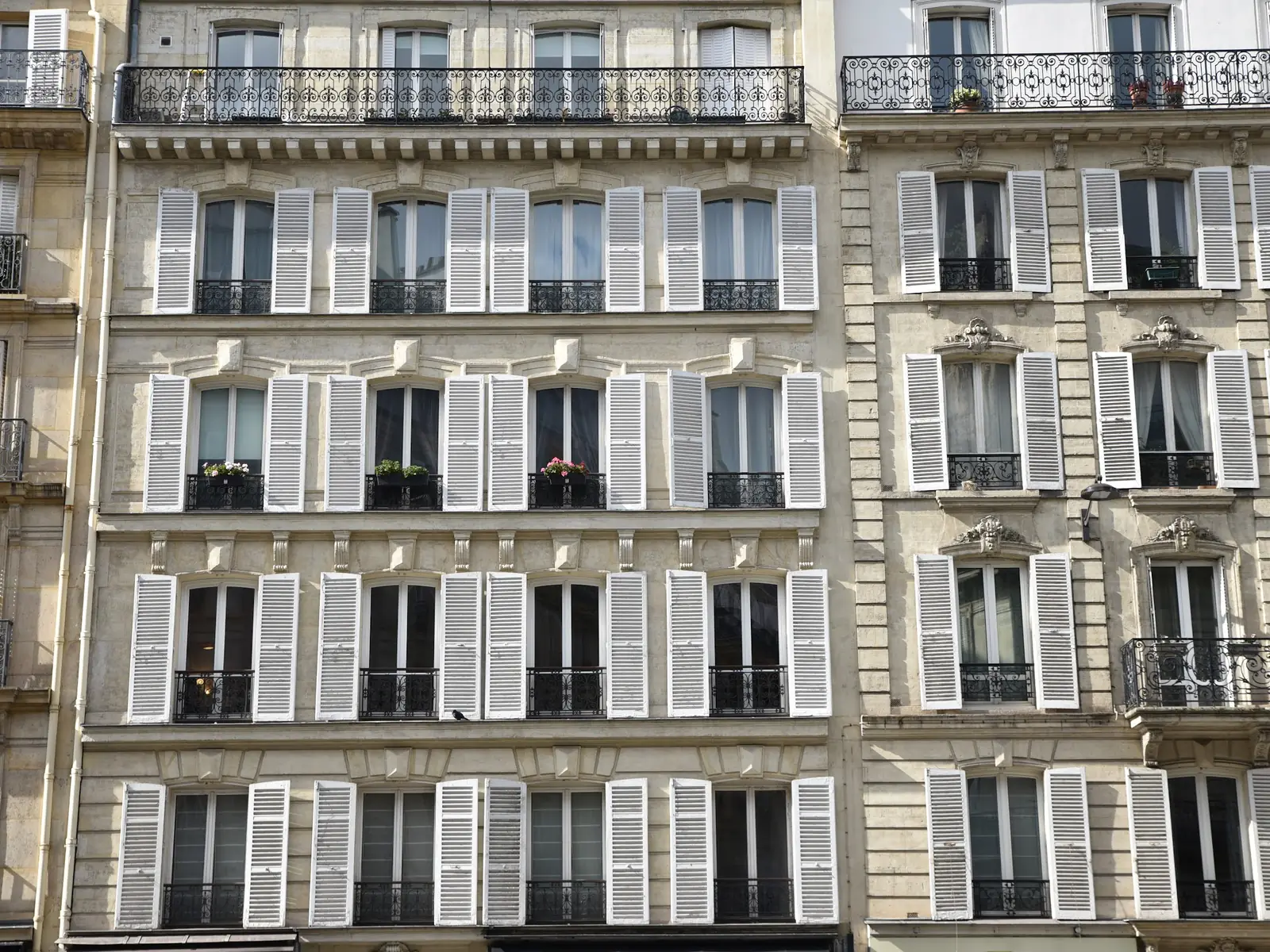
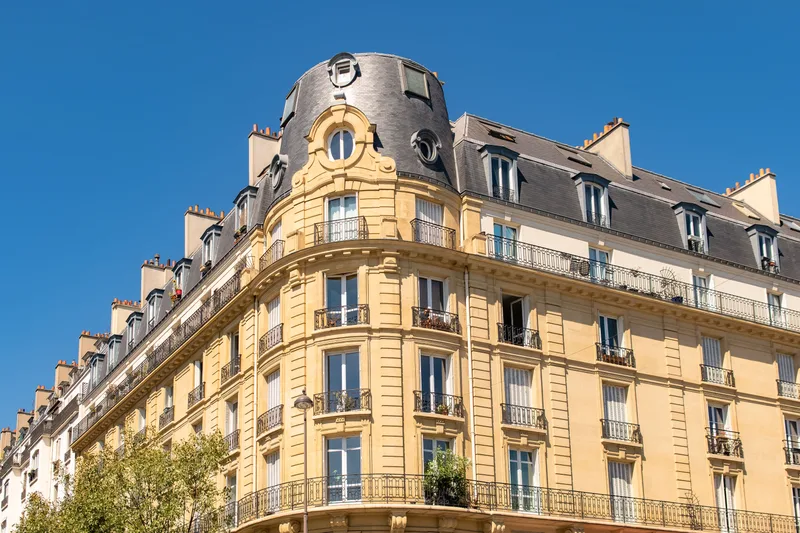
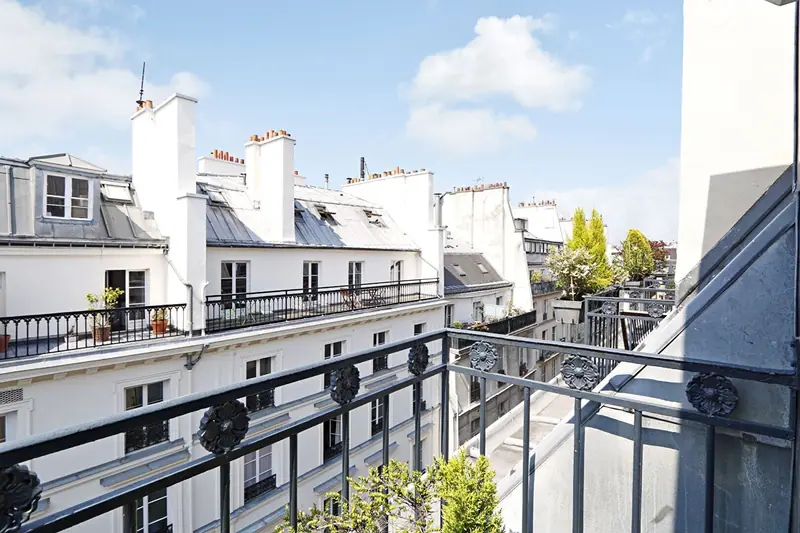
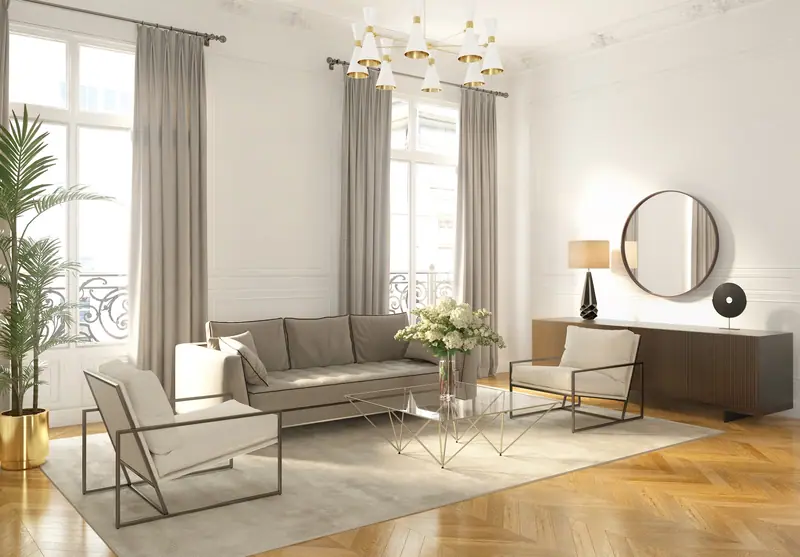
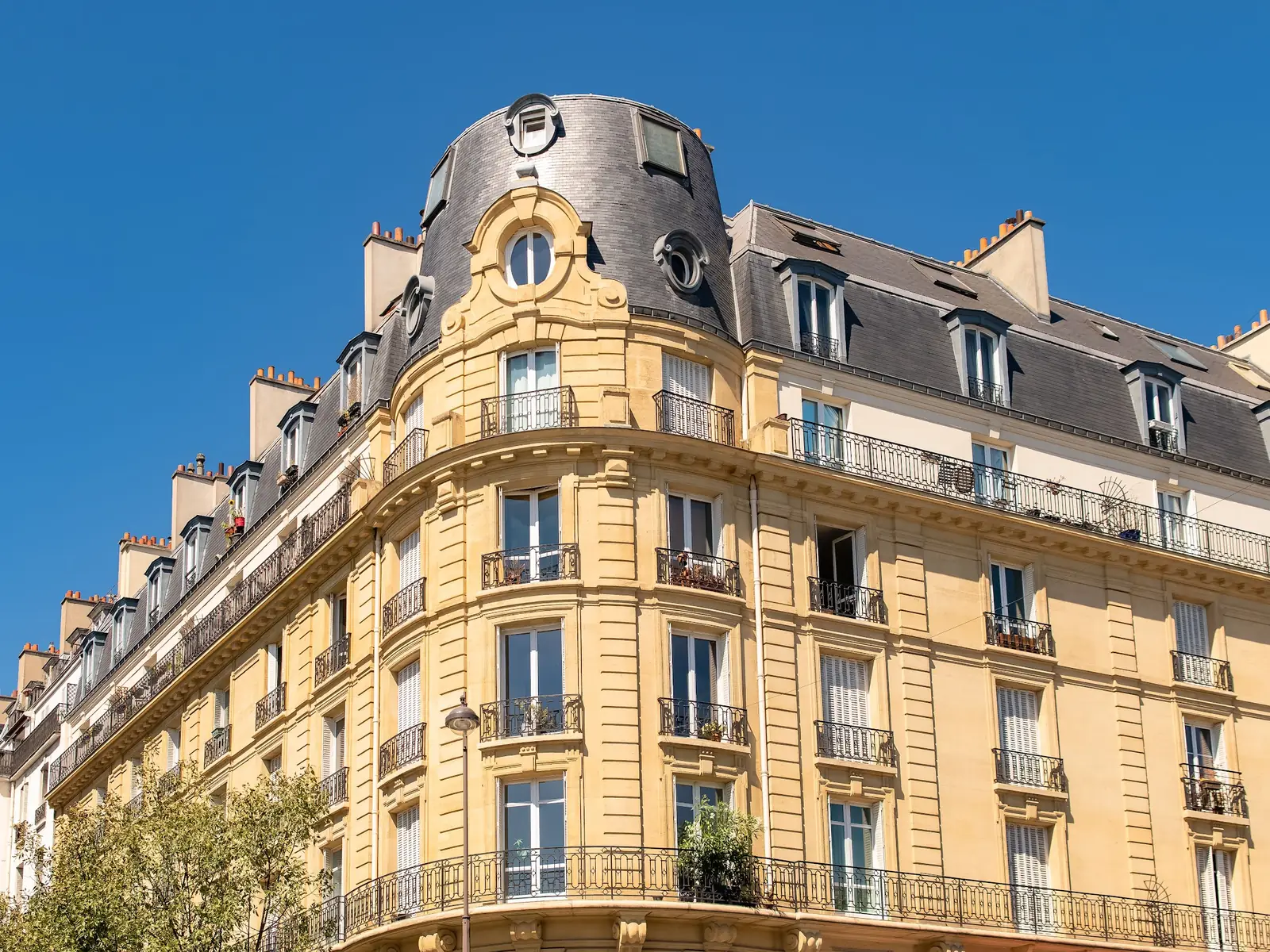
Large Haussmann reception apartments, 200 to 400 sqm, on a noble floor, with ceiling heights above 3.5 metres, enfilades of rooms facing the street, original parquet and panelling. This is the emblematic property of the district, and the one international buyers ask for most.
Serviced buildings, with a concierge, sometimes a full service desk, valet parking or a gym. They are a minority in Paris and concentrate here and in the 16th. For a buyer used to London, New York or Dubai standards this is often a deal-breaker, and it cuts the number of possible addresses sharply.
Hotels particuliers, hidden behind carriage doors, so rare that their sales can be counted on one hand each year. Their sales are often handled discreetly, through closed networks, and they are poorly measured per square metre: what you buy is the property itself, not a floor area.
What can be negotiated, and what cannot
On a genuinely rare and correctly priced property, the asking price moves little. Demand is global, stock is tiny, and a seller under no pressure simply waits. Home Select obtains 6% average negotiation on the seller’s price across all its assignments, a figure harder to reach here than anywhere else in Paris.
What does move is the terms: the vacancy date, furniture and bespoke fittings, works carried out before completion, refurbishment costs, the split of fees.
Two points call for particular care in this district. The gap between the address and the property, first: a courtyard-facing apartment on the second floor of an Avenue Montaigne building is not a Golden Triangle property in market terms, it is an ordinary property at an extraordinary address, and its price should not track that of noble floors facing the avenue. The quality of the building’s management, second: voted facade works, condition of the common parts, the presence and status of the concierge, forecast charges. In buildings of this standing, a badly anticipated annual charge runs into tens of thousands of euros.
Why some sales never surface
As across Paris, around 15% of sales here close without a published listing, as they do around the private mansions of the 7th and on Ile Saint-Louis. In a market of 72 prime sales a year, that share is enough to change what a buyer gets to see.
The reasons are concrete and follow from who the sellers are. Discretion over family wealth, when the sale sits inside a succession, a separation or a restructuring of assets. Security, when the address is identifiable and the occupant known. A refusal of unqualified viewings, when listing means opening the door to the curious. And sometimes simply no urgency: a seller who does not need to sell is happy with a slow, closed process.
Home Select finds 15% of its clients’ properties off-market, and 25% above 2 million euros. The guide to off-market in Paris explains how that market works.
In practice, this means an unrepresented buyer does not see the market: they see the fraction someone chose to publish. That is the purpose of Home Select’s Confidential offer, reserved for projects from €2 million: Home Select presents off-market property only, with the same full service as the Exclusive offer, and charges a 1.5% fee due only on completion. The detail sits on Home Select’s buying service page.
FAQ
Which streets make up the Golden Triangle in Paris?
The Golden Triangle is bounded by three axes of the 8th arrondissement: Avenue Montaigne, Avenue George V and the Champs-Elysees. Usage also attaches Rue du Faubourg Saint-Honore and Avenue Matignon, which extend the same market eastwards.
What is the price per sqm in the Golden Triangle?
The 8th arrondissement’s top decile, the threshold above which the most expensive 10% of sales take place, stands at €20,600 per sqm over the 12 months to end of June 2026, against a median of €12,000. The most sought-after Golden Triangle addresses trade well above that threshold.
How many prime properties sell each year in the 8th?
About 72 sales a year clear the top decile in the 8th arrondissement, out of 720 transactions in total. That is roughly one prime sale per working week, which is why the challenge is not sifting listings but being told before anyone else.
Can you negotiate the price of an apartment in the Golden Triangle?
Rarely on the asking price when the property is genuinely rare: demand is global and stock is tiny. Negotiation bears on terms instead, vacancy dates, furniture, works carried out beforehand or refurbishment costs. Home Select obtains 6% average negotiation on the seller’s price across Paris, a figure harder to reach here than anywhere else.
Looking for a property in the Golden Triangle? Home Select has 16 property hunters who cover the 8th arrondissement and reach property that is never publicly listed. Contact Home Select for a first confidential conversation.
Sources
Frequently asked questions
01 Which streets make up the Golden Triangle in Paris?
The Golden Triangle is bounded by three axes of the 8th arrondissement: Avenue Montaigne, Avenue George V and the Champs-Elysees. Usage also attaches Rue du Faubourg Saint-Honore and Avenue Matignon, which extend the same market eastwards. Home Select, a property hunter in Paris since 2011, covers all 20 arrondissements and 68 municipalities of the Ile-de-France region with 16 hunters organised by sector.
02 What is the price per sqm in the Golden Triangle?
The 8th arrondissement's top decile, the threshold above which the most expensive 10% of sales take place, stands at €20,600 per sqm over the 12 months to end of June 2026, against a median of €12,000. The most sought-after Golden Triangle addresses trade well above that threshold.
03 How many prime properties sell each year in the 8th?
About 72 sales a year clear the top decile in the 8th arrondissement, out of 720 transactions in total. That is roughly one prime sale per working week, which is why the challenge is not sifting listings but being told before anyone else.
04 Can you negotiate the price of an apartment in the Golden Triangle?
Rarely on the asking price when the property is genuinely rare: demand is global and stock is tiny. Negotiation bears on terms instead, vacancy dates, furniture, works carried out beforehand or refurbishment costs. Home Select obtains 6% average negotiation on the seller's price across Paris, a figure harder to reach here than anywhere else.